The era of 9-minute fast charging is coming—does it pose a threat or an opportunity for the mobile charging station industry?
BYD has recently achieved a breakthrough: charging from 10% to 97% in just 9 minutes. As fast-charging technology continues to mature, could it become a potential threat to the power bank station industry? Industry players are concerned that portable charging station markets may be impacted, reducing users’ reliance on mobile charging services. Is there a risk of market shrinkage? What impact will rapidly advancing charging technology have on the phone charger vending machine industry?
1. Can automotive ultra-fast charging technology be directly applied to smartphones?
BYD’s ability to achieve 9-minute charging from 10% to 97% relies on multiple coordinated technological breakthroughs. It uses high-performance materials such as lithium manganese iron phosphate (LMFP) composite cathodes and silicon-carbon anodes, combined with advanced energy storage systems, high-voltage platforms, and high-current technologies. In addition, it is supported by ultra-fast charging stations with power up to 15,000 kW, forming a complete infrastructure ecosystem.
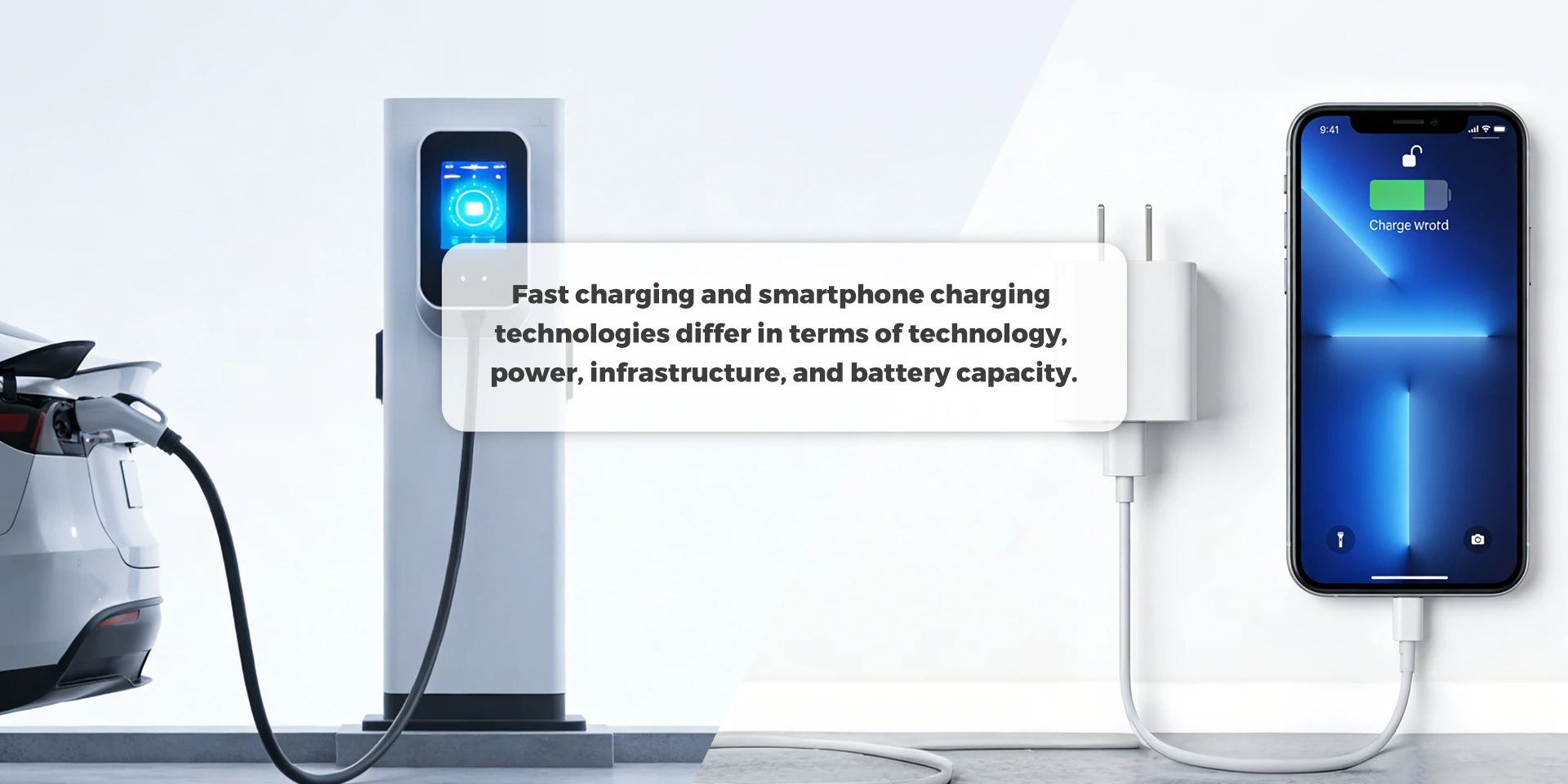
However, can this technology be directly applied to smartphones? Automotive batteries use higher-grade materials and are much larger in size. Smartphones, due to their limited space, cannot accommodate the same energy density even with more expensive materials.
Automotive fast charging systems rely on complex battery management systems and liquid cooling technologies to handle the heat generated by high-power charging. Smartphones, with their compact internal structure, cannot support such active cooling systems. High-power charging may lead to localized overheating, short circuits, and increased safety risks.
The new materials and technologies used in automotive fast charging also require highly stable supporting systems and infrastructure. Applying them to highly integrated, heat-constrained devices like smartphones increases usage risks. Therefore, automotive ultra-fast charging technology cannot be directly applied to smartphones. Users will still experience battery anxiety during travel, and the rent-a-power-bank market will not face direct disruption.
2. What impact will 9-minute fast charging have on the power banks & power station industry?
The emergence of 9-minute automotive fast charging will strengthen users’ expectations for speed, making them less tolerant of slow or inconvenient charging experiences. Users will demand faster and more convenient solutions. In places like shopping malls, restaurants, and transportation hubs, people are less willing to carry bulky personal power banks and are more inclined to rent fast-charging portable chargers.
Driven by environmental awareness, users are also more receptive to renting rather than owning devices. Renting reduces electronic waste, making power bank rental a more sustainable option.
Shared power bank rental stations primarily address the urgent need for mobile charging in on-the-go scenarios. Operators deploy portable power bank stations in high-traffic locations to provide convenient rental services, helping users quickly recharge, alleviate battery anxiety, and maintain communication and entertainment functions.
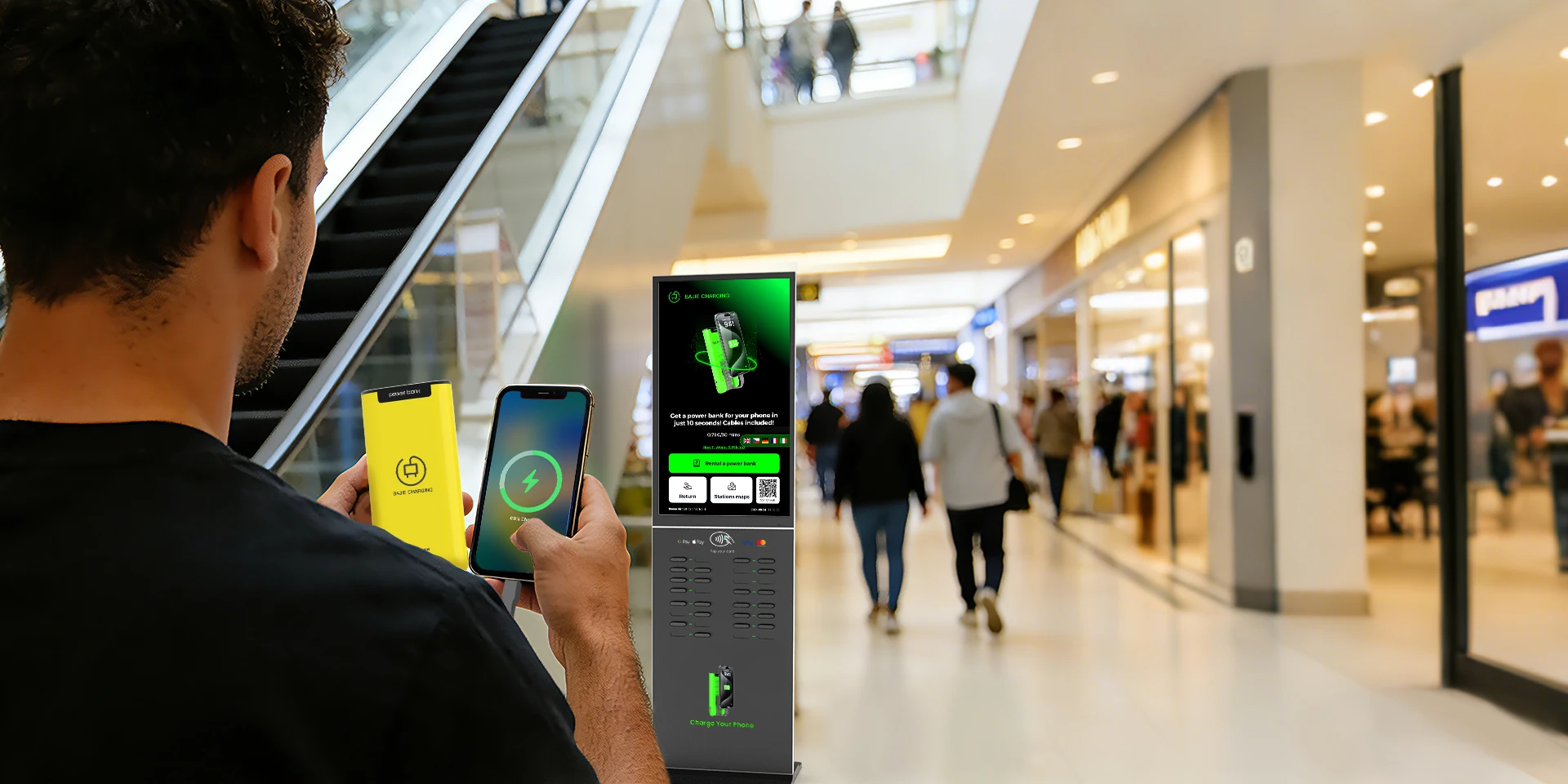
The rise of fast-charging technology will push the industry toward technological upgrades. Current fast-charging capabilities may not meet future user expectations, requiring manufacturers to develop advanced solutions tailored for the fast-charging power bank sector. This demands strong R&D capabilities from commercial power bank station manufacturers to continuously iterate products.
Operators must carefully evaluate manufacturers, prioritizing those with strong innovation capabilities and the ability to provide cutting-edge technical support, ensuring long-term competitiveness in the market.
3. Market trends: How will the power bank for phone industry evolve in the future?
What is the real threat to the fast-charging power bank industry, and how should it respond? As smartphone battery capacity increases and fast charging becomes more widespread, users’ battery anxiety may gradually decrease. The industry may face challenges such as declining profitability per location, product homogenization leading to price wars, rising operational costs, and increasing regulatory compliance requirements.
At present, smartphone battery capacity remains limited, and no breakthrough in battery technology has been achieved. Meanwhile, with the expansion of 5G and the rise of power-intensive applications like AR and AI, energy consumption continues to grow. Even if battery capacity improves, user screen time is increasing simultaneously. With the future adoption of 6G, power consumption could increase even further. Phone charging vending machines provide a flexible, on-demand solution for mobile charging needs.
Smartphones continue to prioritize slim designs, limiting battery size and materials. Without revolutionary breakthroughs in battery technology, achieving both long battery life and ultra-thin form factors remains difficult. Users will continue to rely heavily on external charging solutions in outdoor scenarios, keeping fast phone charging a rigid demand.
Fast chargers and fast-charging power banks are already available, but they are relatively expensive and often forgotten when users go out. Influenced by the trend toward lightweight devices, users prefer not to carry extra equipment. Mobile phone charging stations offer a convenient alternative—no need to purchase or carry, simply scan and use. High-capacity fast-charging stations can charge up to 60% in 30 minutes, about 30% faster than conventional solutions. Multi-cable designs support up to 98% of smartphones, tablets, and wearable devices, offering plug-and-play convenience.
How can operators improve profitability at portable battery power station locations? In China, high-traffic areas such as prime commercial districts and transportation hubs are already saturated, leading to intense competition and high commission rates. However, overseas markets remain relatively untapped, with lower penetration and less competition. Operators can strategically expand into these markets, focusing on high-traffic locations identified through data analysis, rather than blind deployment. Securing exclusive agreements can help lock in premium locations long-term.
A single product cannot meet the needs of all markets. If device functionality does not align with local user habits, market entry becomes difficult. In Southeast Asia, users prefer e-wallet payments and QR-based rentals. In Europe and North America, card payments are more common, making built-in POS charging stations more appealing. Nightlife venues benefit from LED-lit charging stations, while outdoor locations require waterproof models. High-traffic areas demand large-capacity stations with up to 216 slots.
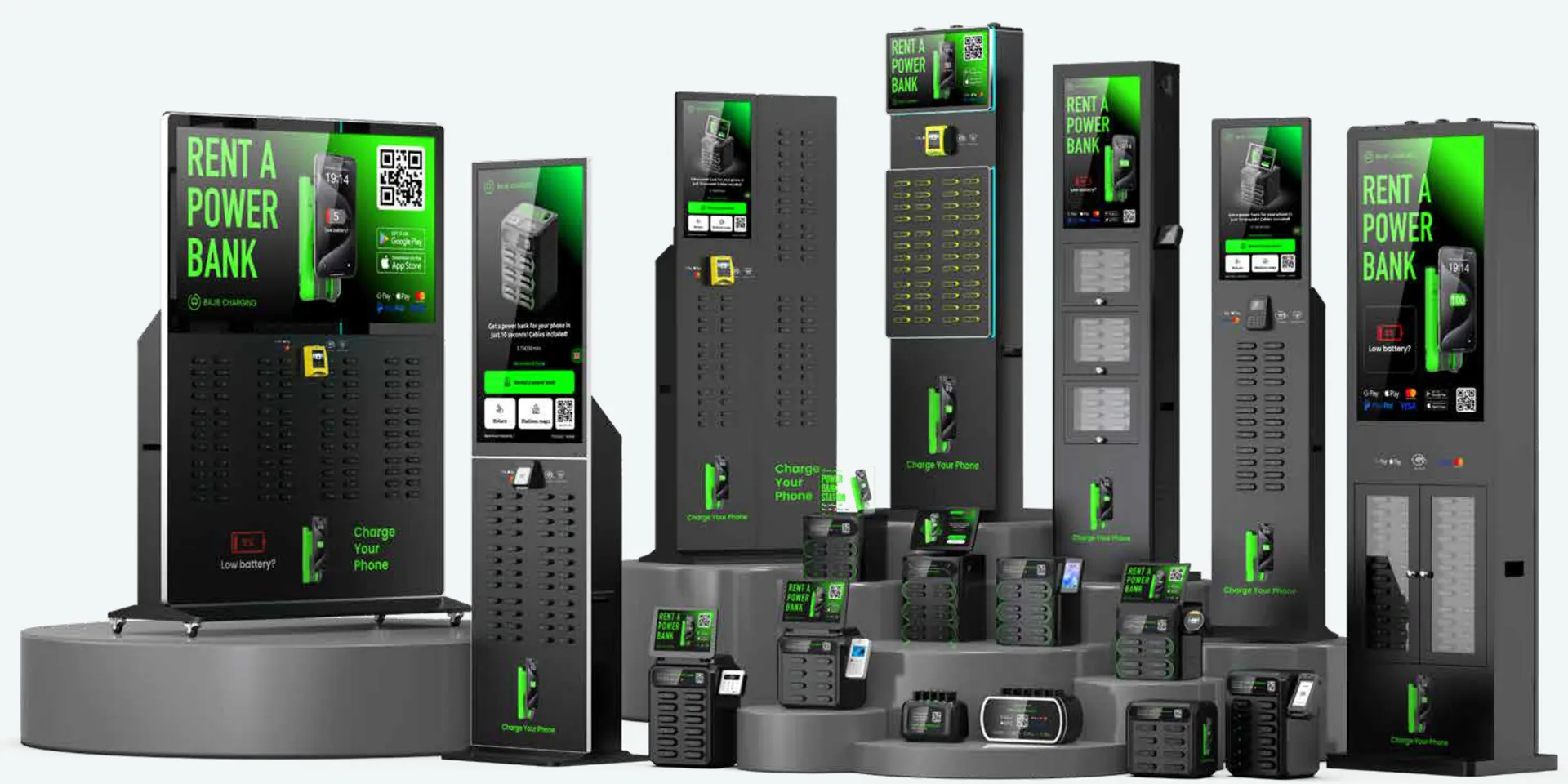
To break away from product homogenization, operators must adopt refined, localized strategies. This includes customization across hardware, software, and payment systems to match local market needs. One-stop solution providers for power bank kiosks can help strengthen brand identity, avoid price competition, and build long-term competitive advantages.
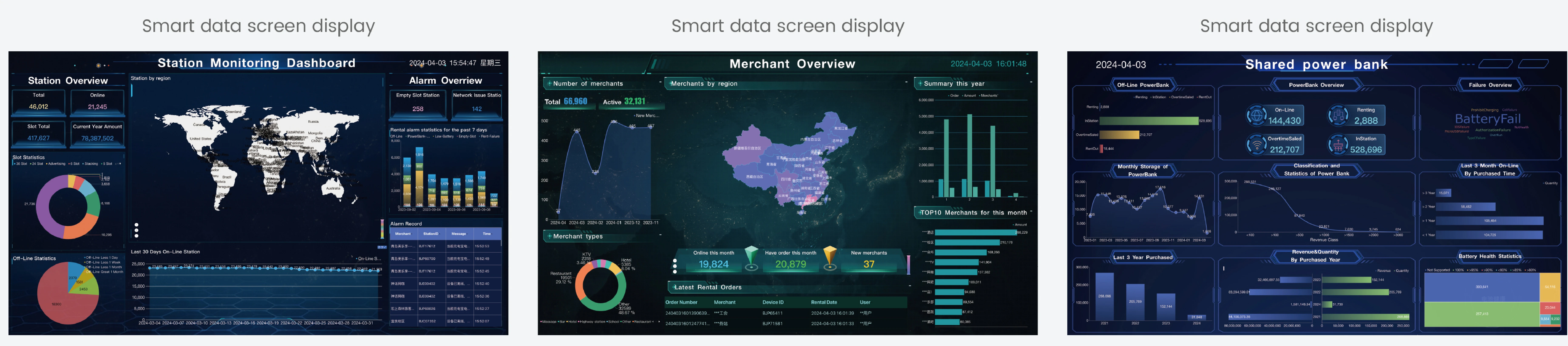
Improving operational efficiency and ensuring compliance are also critical. Smart operations—such as remote monitoring and automated alerts—combined with optimized hardware design (anti-theft, durable materials) can reduce costs. Operators must also comply with local regulations and certifications, and leverage mature SaaS cloud platforms for multi-country deployment, ensuring compliant and scalable operations.
Conclusion
The 9-minute automotive fast-charging technology relies on high-performance materials, large battery volumes, liquid cooling systems, and comprehensive infrastructure, making it difficult to replicate in compact, heat-constrained devices like smartphones or QR-code-based vending machines.
With smartphones prioritizing slim designs and lacking revolutionary battery breakthroughs, combined with increasing power consumption from 5G, AR, and AI applications, battery anxiety will persist. Charging stations for phones, as a high-frequency and essential service, will continue to have strong global market demand.
The emergence of ultra-fast charging will shape user expectations, pushing the portable charger industry to accelerate technological upgrades. Manufacturers with strong R&D capabilities will play a crucial role in helping operators gain a competitive edge.
Although fast chargers and power banks are available, their cost and inconvenience in daily carry create opportunities for shared solutions. Portable charging stations provide a flexible, on-demand alternative—no need to own or carry, just scan and use—making them widely accepted by users.
Overseas markets for phone charging stations remain blue oceans with low penetration and competition. Operators should focus on localization strategies, tailoring hardware, software, and payment systems to each market. Refined operations and localized solutions will become the core capabilities in the next stage of the charging station mobile industry.
April 8, 2026
 How can fast-charging commercial power bank stations help operators attract more users?
 Why Are European and American Markets Accelerating the Deployment of Mobile Phone Charging Stations?
 What key indicators should you focus on when testing fast-charging power bank samples?
 Why Does the Product Design of a Power Bank Station Affect How Frequently Users Use It?
 What components are included in a complete power bank station solution?
 The era of 9-minute fast charging is coming—does it pose a threat or an opportunity for the mobile charging station industry?