Global Phone Charging Station Market Trends and Growth Forecast for 2026
The power bank portable charger business has become an emerging global commercial trend. With the rapid growth of smartphone usage and increasing mobile power consumption, the demand for portable phone charger solutions is rising worldwide.
This article provides an in-depth analysis of the global portable phone charger market in 2026, examining market size, key growth drivers, and regional trends across different countries and regions. It aims to help operators better understand the opportunities in the portable charger and power bank market and make more informed business decisions.
1. What Is the Global Portable Battery Charger Market Size?
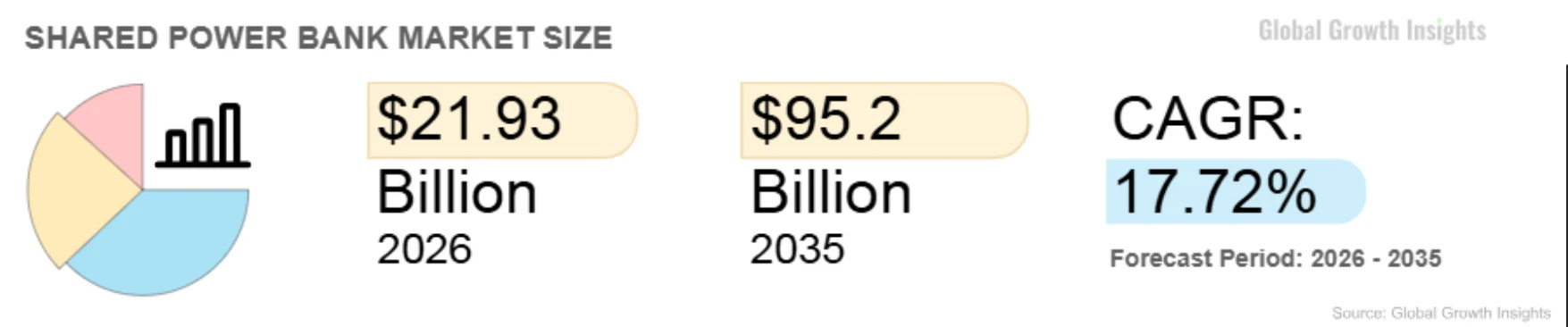
The global phone charging station market is entering a period of rapid growth.According to Global Growth Insights, driven by the increasing frequency of smartphone use and rising demand for mobile charging, the market size is expected to grow from $18.63 billion in 2025 to $21.93 billion in 2026.With the widespread deployment of phone recharge stations in shopping malls, restaurants, and transportation hubs, the market is projected to reach $25.81 billion in 2027, and expand to $95.2 billion by 2035.
As global reliance on smartphones deepens, “low battery anxiety” has become a common phenomenon. This shift has transformed cell phone charging stations from emergency services into a high-frequency daily necessity.
Over 70% of users rely on mobile charging stations during travel and leisure activities.Nearly 65% of mobile phone charging station locations are concentrated in high-traffic urban areas.These factors continue to drive market expansion.
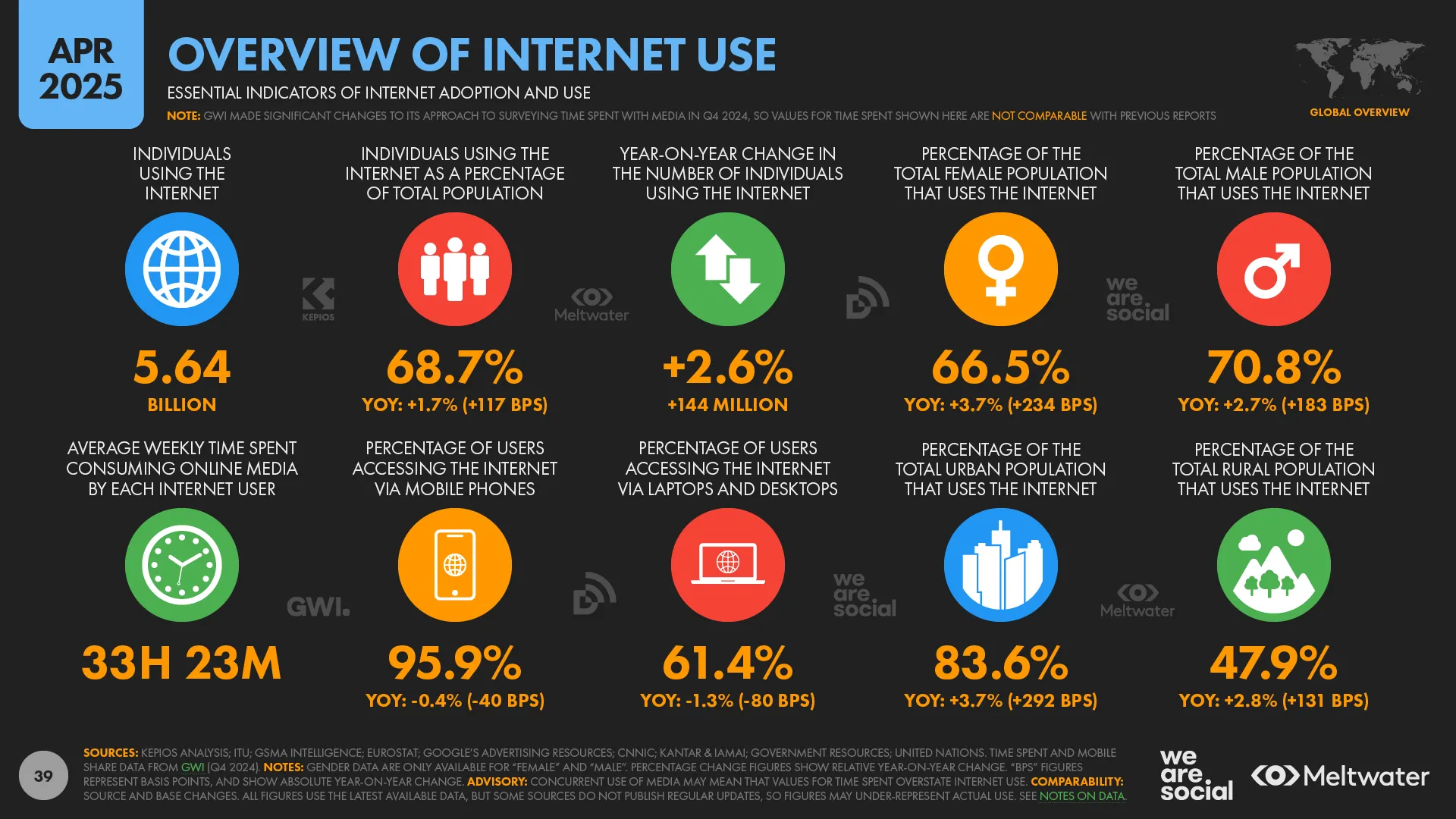
Data from Meltwater shows that the 5.64 billion global smartphone users spend over 33 hours online each week. Smartphones are now deeply integrated into work, communication, and entertainment, creating constant demand for mobile charging.
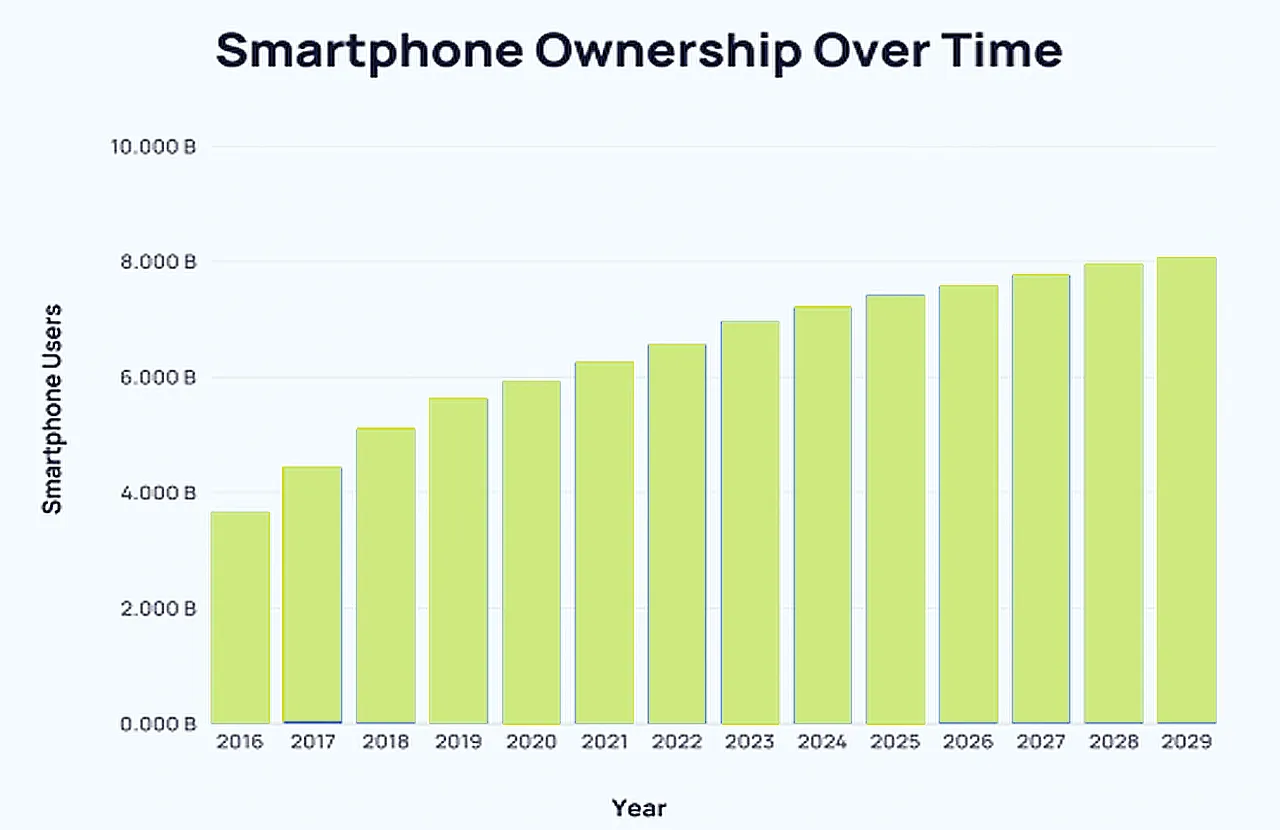
According to Ericsson, the number of global smartphone users is expected to reach approximately 8.064 billion by 2029. This massive user base provides significant growth potential for the charging station mobile market. Meanwhile, the widespread adoption of 5G technology, combined with battery technology limitations, continues to accelerate the growth of the global charging station for mobile market.
2. What Factors Influence Market Share Across Different Regions?
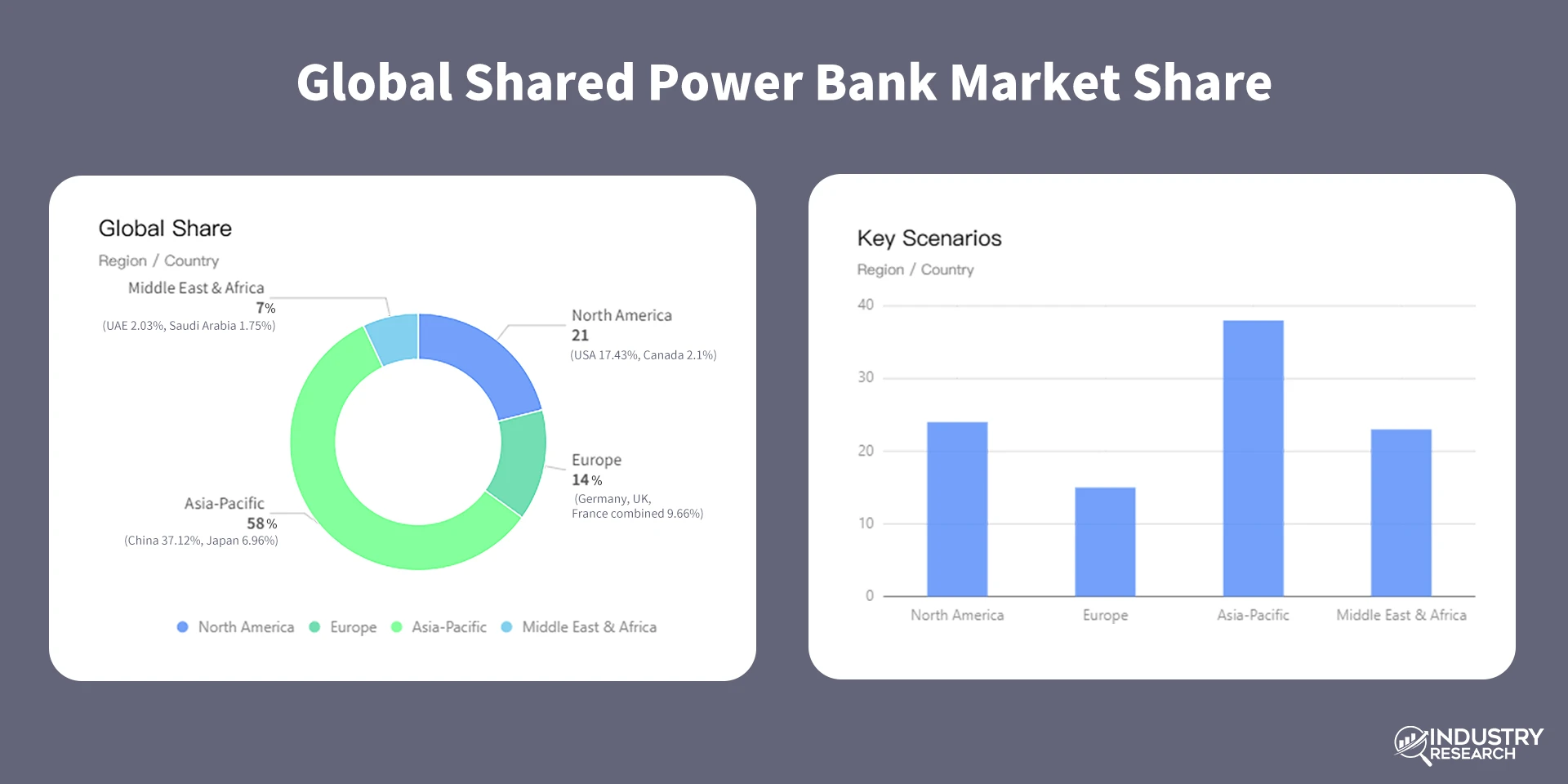
North America Phone Charging Station Market: North America is one of the most important markets for portable charging stations, accounting for approximately 26% of the global market.The United States alone contributes 17.43%, while Canada accounts for about 2.1%.
According to Industry Research, more than 180,000 power bank stations are deployed across shopping malls, airports, restaurants, and entertainment venues.These locations typically have average dwell times exceeding 60 minutes, creating strong demand for mobile charging.
Key drivers in the North American market include:Increasing consumer demand for fast-charging technology,Strict electrical safety regulations, which enhance trust in certified public charging devices,Advertising-enabled power bank rental stations, which improve revenue potential and accelerate deployment in prime locations
European Power Bank Charging Station Market:Europe accounts for approximately 14% of the global phone charging vending machine market.
Germany, the United Kingdom, and France together represent about 9.66% of the global market.
Major deployment locations include:Transportation hubs,Cafés,Shopping malls.Due to strict regulatory standards, compact and low-power power banks are more popular in Europe. Devices with capacities below 8000mAh are commonly used because they meet short-term charging needs efficiently.
Europe’s advanced public transportation network, thriving tourism industry, and high urban population density support the growth of the mobile charging vending machine market.
Seasonal tourism peaks also significantly increase demand.Environmental factors are becoming increasingly important, including:Recyclable materials, Energy-efficient charging technologies,Sustainable device design,These considerations are influencing deployment decisions across the region.
Asia-Pacific Portable Phone Charging Station Market:The Asia-Pacific region dominates the global market, accounting for approximately 58% of the total market share.China: 37.12%,Japan: 6.96%. The region benefits from a massive smartphone user base and extensive offline commercial infrastructure.
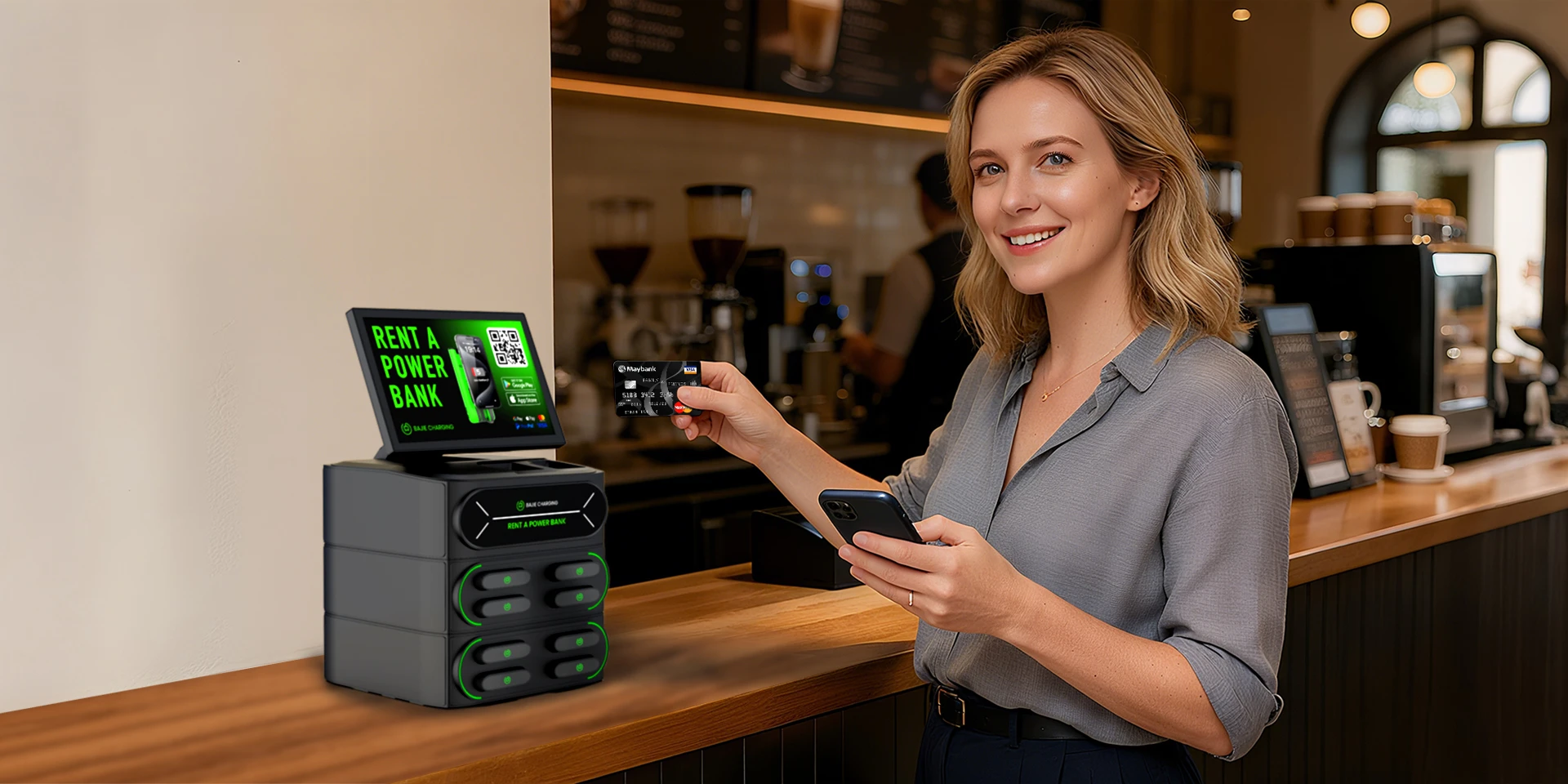
As a result, rent power bank services are widely deployed in high-traffic locations such as:Restaurants, Shopping malls, Transportation hubs.Consumers in Asia-Pacific tend to prefer mainstream digital payment methods, with QR code payments and mobile wallets being the most common ways to rent devices.
Fast-charging power banks with capacities around 8000mAh dominate the market, meeting users' dual needs for rapid charging and longer usage time.
High demand, dense network deployment, and strong product-market fit enable the Asia-Pacific region to maintain a leading position in the global market.
Middle East and Africa Market:The Middle East and Africa region accounts for approximately 7% of the global power bank vending machine market. UAE: 2.03%, Saudi Arabia: 1.75%. Portable charger vending machines are primarily deployed in:Shopping malls, Airports, Hotels, Entertainment venues.
Tourists in these locations typically stay longer, leading to frequent use of phone charging station kiosks.
Although deployment density is still lower than in developed markets, rapid urbanization and expanding commercial infrastructure are steadily increasing demand for public charging services.Future market growth will depend on: Local regulatory policies, Integration with local commercial ecosystems.
3. Key Factors Driving the Global Charging Station Market
Massive User Base and High-Frequency Scenarios:The global adoption of smartphones creates a vast user pool for charging station rentals.From social media and entertainment to mobile work, increasing smartphone usage intensity has made anytime, anywhere charging a necessity.
Technology Evolution vs Battery Limitations:The expansion of 5G networks increases power consumption significantly.However, smartphone battery technology is improving slowly, creating a gap between energy consumption and battery capacity.As a result, external charging solutions such as phone charging station rentals are becoming essential.
Long-Dwell Locations Drive High Usage:Charging stations are commonly deployed in places where users stay for longer periods, including: Shopping malls, Restaurants, Airports, Transportation hubs, These locations naturally generate high-frequency charging demand.
Convenience and Sustainable Consumption:Consumers increasingly prefer on-demand access rather than ownership.With rental services: Users do not need to purchase devices,They do not need to carry chargers, Devices can be returned after use.The rent instead of buy model also reduces resource consumption, making it a more environmentally sustainable consumption model.
4. How Can Operators Capture the 2026 Market Opportunity?
Compliance and Long-Term Operations:Strict electrical safety and lithium battery regulations worldwide have strengthened public trust in certified charging devices.Operators should prioritize manufacturers with international certifications to reduce operational risks and ensure long-term business stability.
Localized and Refined Operations:Operators should tailor products and services to local market needs.Integrating local payment systems can significantly improve user adoption and help capture local cell phone charging station markets more quickly.
This requires a highly customizable technology platform that supports:Software systems, Hardware devices, Payment gateway integration.
Continuous Innovation: Technological innovation remains a key competitive advantage.Examples include:Faster charging technology to improve device turnover, Eco-friendly materials for sustainable device manufacturing, Solar-powered charging stations, Extended device lifespan through improved engineering.Strong innovation capabilities help operators build long-term competitive advantages in the power bank kiosk market.
Conclusion
The global charging station kiosk market in 2026 will continue to follow a clear pattern:Asia-Pacific leading the market, North America and Europe maintaining stable growth, Middle East and Africa emerging as high-potential regions.
Asia-Pacific remains the largest market due to its massive smartphone user base and dense offline commercial networks.
North America benefits from strong deployment in shopping malls and airports, along with advertising-enabled charging stations.
Europe’s public transportation systems, tourism industry, and strict environmental regulations are driving the adoption of compact, energy-efficient devices.
For operators entering different countries and regions, success in the portable battery rental business depends heavily on localization capabilities and integration with local commercial ecosystems.
Continuous innovation in return on investment, sustainability, and technology development will determine the long-term competitiveness of charging station vending machine businesses.
Operators who prepare strategically today will be best positioned to capture the opportunities in the global power bank rental kiosk market in 2026 and beyond.
March 14, 2026
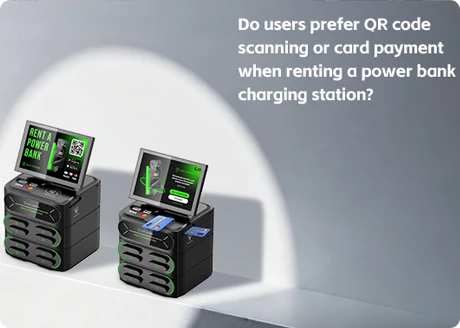 Do users prefer QR code scanning or card payment when renting from a power bank charging station?
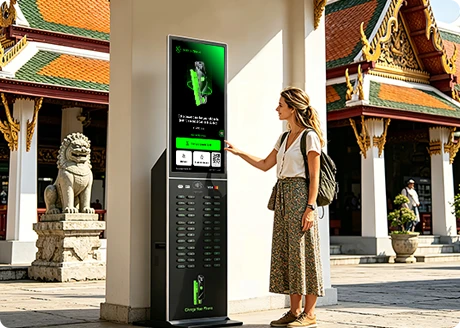 What are the advantages of deploying mobile charging stations in tourist attractions?
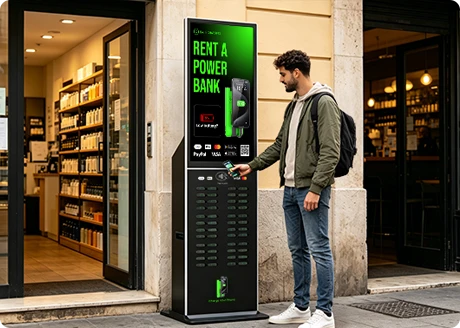 What Type of Phone Charging Station Equipment Is Best Suited for the Spanish Market?
 Which User Groups Are More Likely to Use Phone Charging Stations?
 How to Succeed in the Netherlands Phone Charging Station Market?
 How can a power bank portable charger SaaS cloud platform achieve intelligent management for millions of devices?