Investment Return Analysis: How Long Does It Take for Your Portable Charging Station Business to Become Profitable?
Power bank sharing provides users with instant and convenient mobile charging services in public places through paid rental via QR code scanning or card payment. After launching a phone charging station for business, how long does it take to achieve profitability?And how can they build a profitable cell phone charger vending machine business?
1. What are the key factors affecting the profitability of a portable battery charger business?
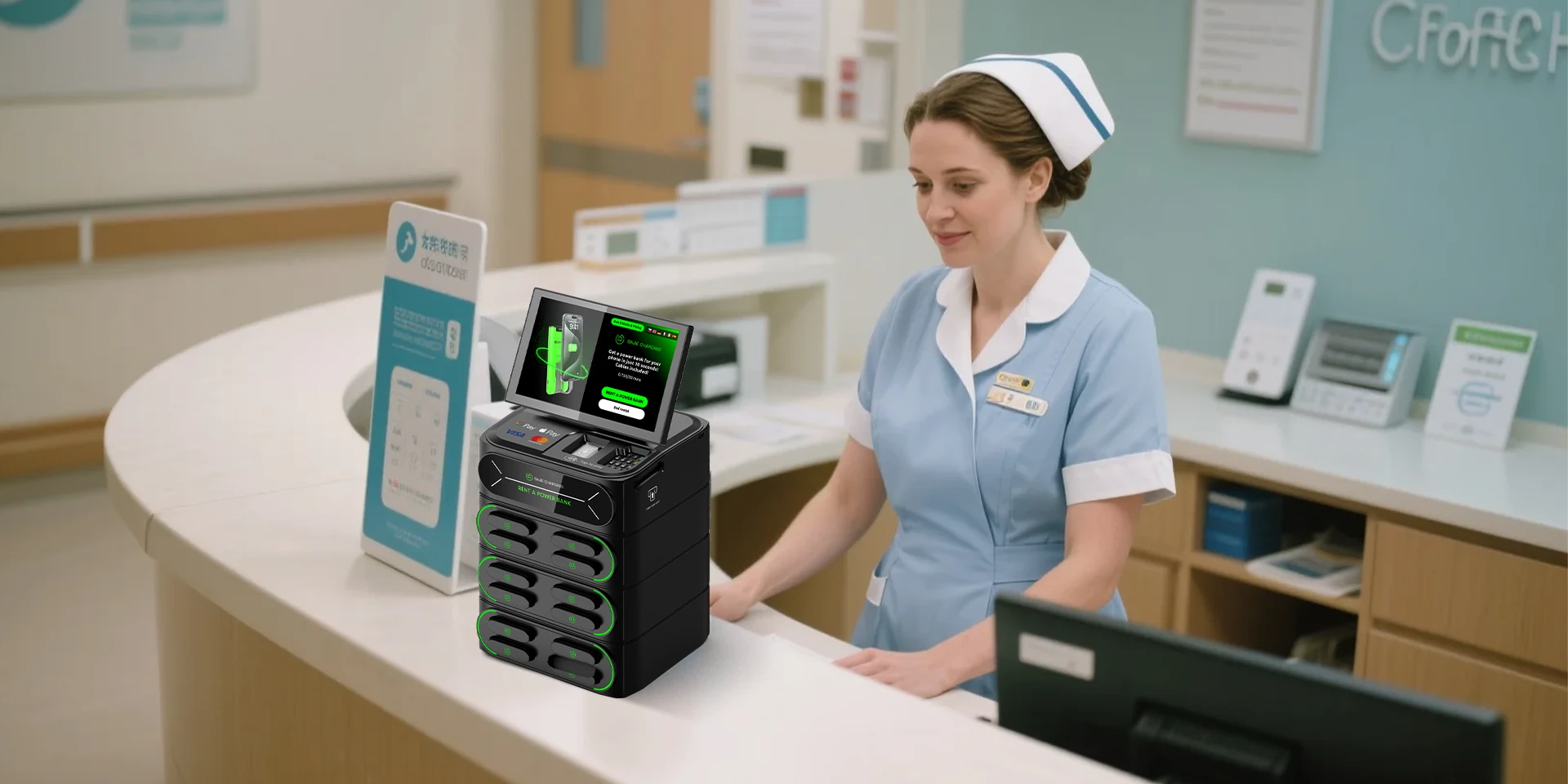
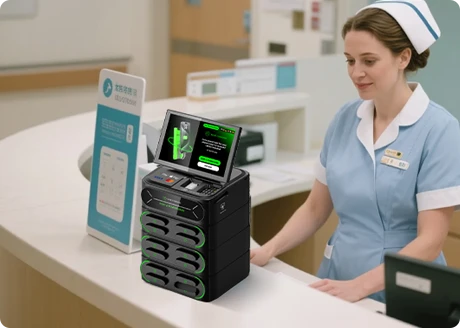
Location and foot traffic determine rental frequency:High-traffic venues such as shopping malls and transportation hubs create stronger demand for mobile charging stations, resulting in higher revenue potential. In places like hospitals and airports, users tend to stay longer and have fewer charging alternatives, allowing for higher pricing per rental. High-potential scenarios such as music festivals and large exhibitions, due to environmental constraints, drive frequent and high-demand usage.
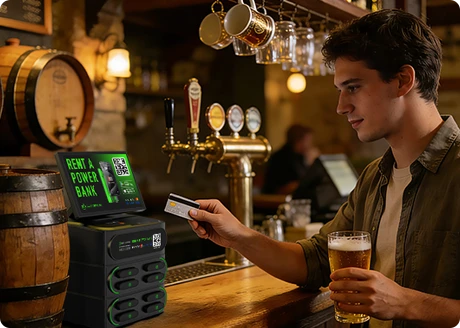
Restaurants and bars also provide strong use cases, as customers use their phones frequently during dining or socializing, leading to faster battery drain and longer dwell times—creating ideal conditions for cellphone charging stations to generate revenue. Smaller venues like convenience stores and dessert shops typically have shorter customer stay durations, resulting in moderate profitability.
Cost and operational expenses:While equipment cost and wear-and-tear must be considered, choosing low-quality products for the sake of lower prices can negatively impact long-term operations. Standard public phone charging stations typically have a lifespan of 3 to 5 years. Product quality and whether predictive maintenance technology is available will directly affect the long-term stability of the mobile charging station business.
Technology platform capability:The R&D strength and iteration capability of the platform directly influence operational efficiency in the power bank rental business. Securing premium locations may require revenue-sharing agreements with merchants, but these locations generate higher returns for operators.
2. How long does it usually take for a station power bank business to become profitable?
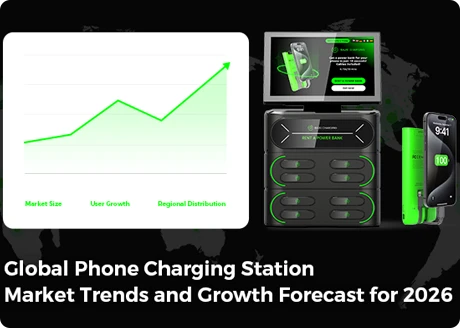
From cafes to airports, demand for charging vending machines spans a wide range of scenarios, providing strong market opportunities. The global cell phone charger vending machine market is entering a phase of rapid growth.
Based on profitability, deployment locations can be classified into three tiers. Assuming an initial cost of $300 for an 8-slot charging station:
Tier 1 premium locations (hospitals, airports, stations):Weekly revenue exceeds $25. Hospitals: up to $35/week → payback in ~1.9 months. Airports/stations: ~$27/week → payback in ~2.3 months. These locations offer high capital turnover efficiency.
Tier 2 quality locations (clubs, hotels, restaurants, malls, bars):Weekly revenue ranges from $15–$20. Clubs: up to $22/week → ~3 months payback. Hotels: ~$18/week → ~3.8 months payback.
Tier 3 locations (cafes, retail shops):Weekly revenue ranges from $10–$15. Cafes: ~$13/week → ~4.8 months payback.
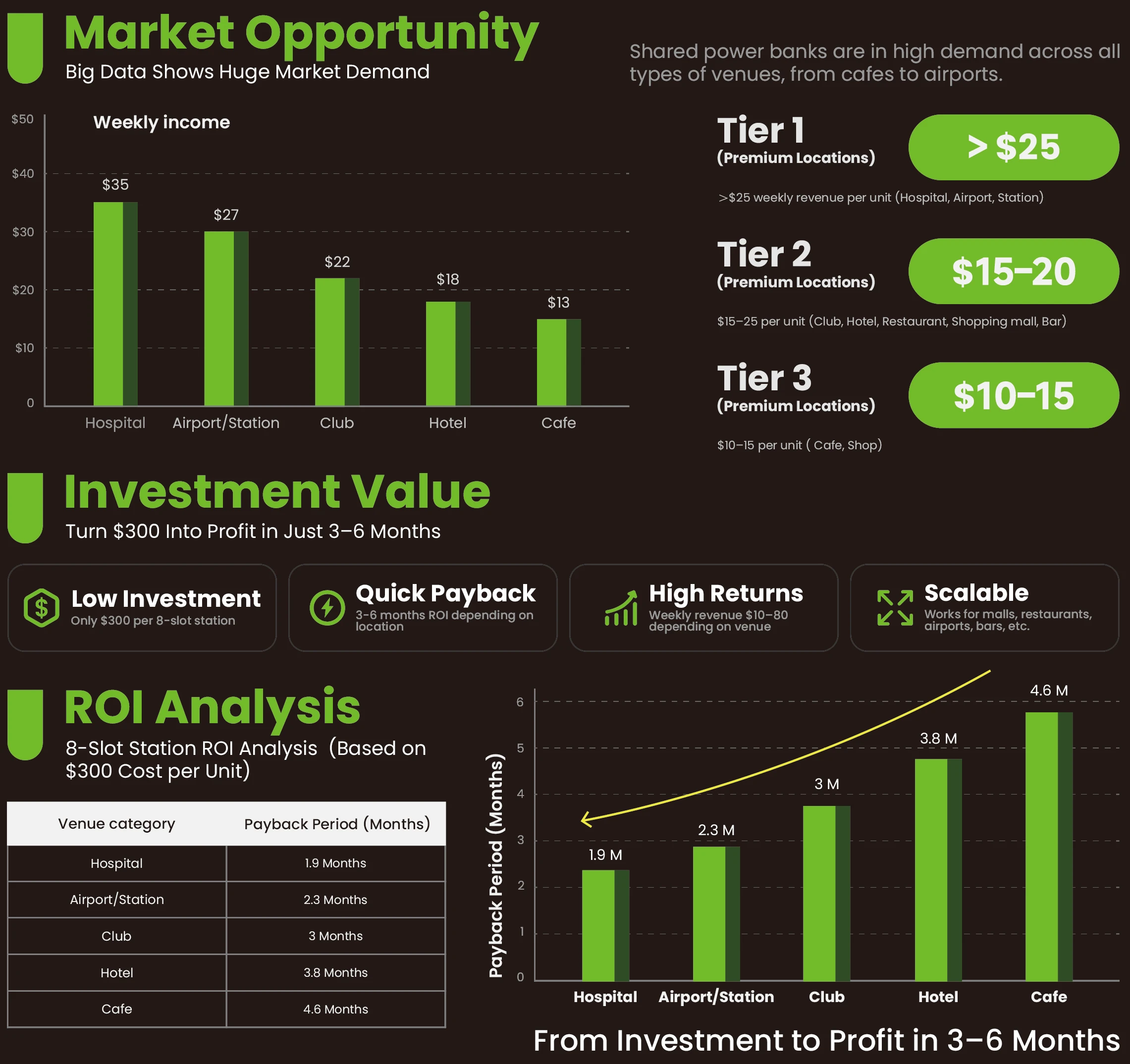
Deploying mobile charging kiosks across different scenarios can generate $10–$80 in weekly revenue. With an initial investment of just $300 per unit, operators can typically achieve full payback within 3–6 months by leveraging high-performing locations. The power bank vending machine model is mature, scalable, and offers a low-barrier, high-return investment opportunity.
3.How can the profitability of phone charging station kiosks be improved?
Advanced device performance and technology:As users demand faster charging, operators should deploy higher-power fast-charging power bank stations to improve efficiency and attract more users. In environmentally conscious markets such as Europe and North America, solar-powered charging stations can align with sustainability values and help expand the user base.
Technology platforms should continuously optimize and offer customized solutions to meet diverse scenario needs, ensuring operators maintain a competitive edge.
Optimizing operations to increase usage frequency:By analyzing backend data, operators can identify high-frequency, high-performing locations and dynamically allocate more stations to meet demand and boost revenue. For low-frequency locations, reducing the number of devices or slots can prevent idle resources.
In addition to time-based pricing, operators can introduce subscription models or promotions such as “first 30 minutes free” to convert one-time users into repeat customers and improve retention.
Building a high-density service network:Increasing deployment density in high-demand areas such as hospitals, airports, and transportation hubs ensures users can easily find a smartphone charging station whenever needed. The convenience of “available anywhere, anytime” significantly increases usage frequency and drives sustained profitability.
Extending device lifecycle to enhance returns:Through battery health management and firmware upgrades, operators can extend the lifespan of portable battery charging stations. The longer the device operates, the greater the cumulative revenue it generates. Technology-driven lifecycle management improves overall ROI and supports long-term business sustainability.
Conclusion
The public phone charger business offers a low-cost entry point, with just $300 per unit required to start deployment. Payback periods vary by location:Tier 1 locations like hospitals: up to $35/week → ~1.9 months payback. Airports and stations: ~2.3 months payback.
Tier 2 locations (clubs, hotels): 3–3.8 months. Tier 3 locations (cafes): ~4.8 months. Overall, operators can typically achieve full investment recovery within 3 to 6 months, benefiting from fast capital turnover and a clear ROI path.
Technology plays a key role in driving long-term profitability. Through battery management and firmware upgrades, operators can reduce replacement costs and extend equipment lifespan. By securing premium locations, building dense networks, and applying refined operational strategies, charging station vending machine businesses can generate stable cash flow and sustained growth.
March 26, 2026
 Why Does the Product Design of a Power Bank Station Affect How Frequently Users Use It?
 What components are included in a complete power bank station solution?
 The era of 9-minute fast charging is coming—does it pose a threat or an opportunity for the mobile charging station industry?
 Investment Return Analysis: How Long Does It Take for Your Portable Charging Station Business to Become Profitable?
 What strategies can increase the revenue of a cell phone charging station?
 Global Phone Charging Station Market Trends and Growth Forecast for 2026