2026 new safety standards: what compliance requirements must portable charger machine brands pay attention to?
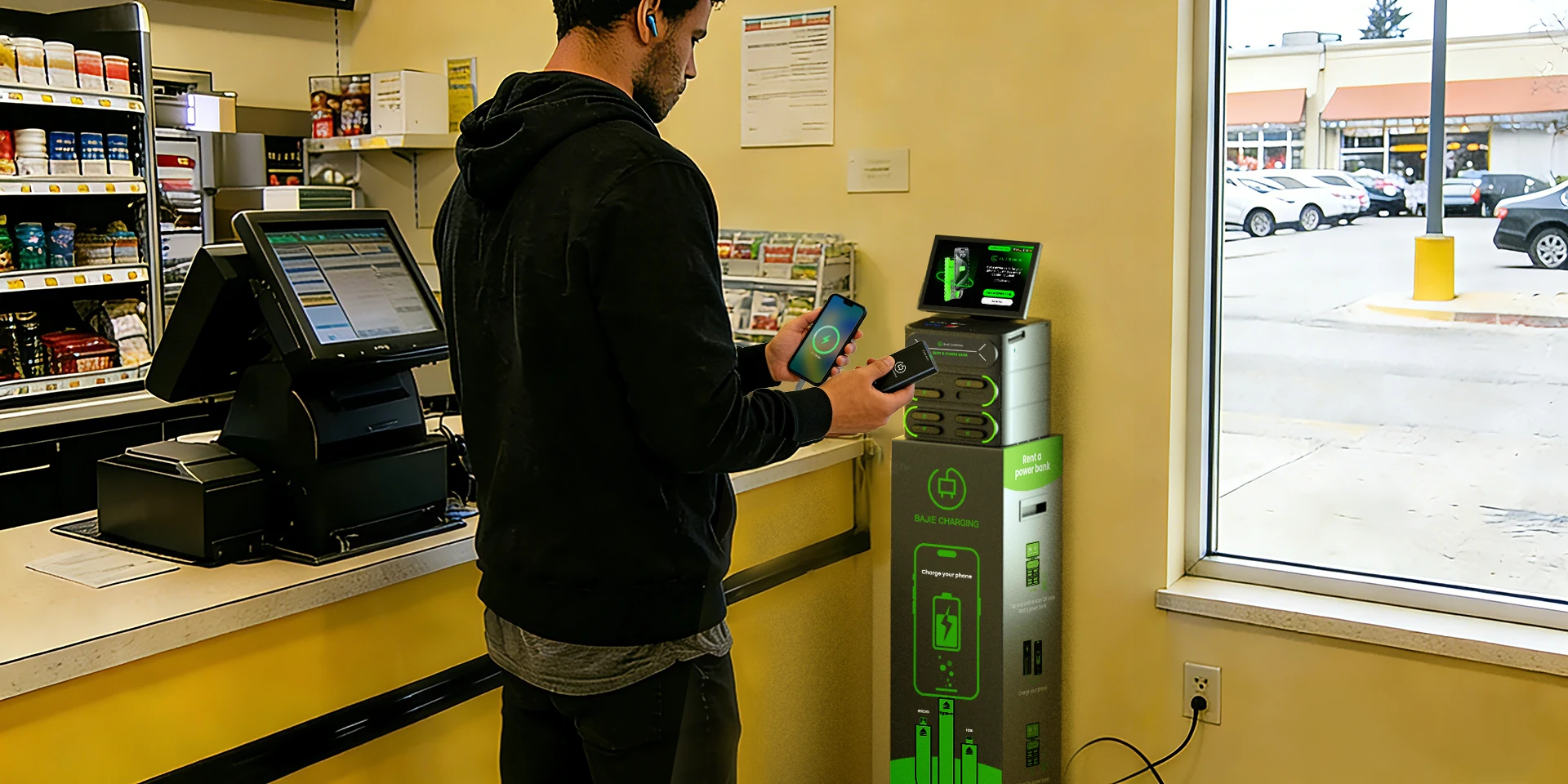
As an emerging mobile charging solution, the power bank renting machine has rapidly become a popular and scalable business model. Successfully operating a shared power bank business depends not only on strategic location planning and network density, but also on a deep understanding of local regulations governing power bank charging stations and related equipment. Operators must proactively manage regulatory risks and ensure compliant operations of their sharing power bank station business.
1. Why Must Cell Phone Charging Station Kiosk Operators Pay Attention to Safety Standards?
Different countries and regions have varying market access requirements for rental charging stations and charging equipment. To circulate legally in international markets, products must comply with globally recognized battery safety standards such as International Electrotechnical Commission (IEC) standards (e.g., IEC 62133) and the European Commission CE marking system, which impose strict technical requirements on battery protection against overcharging, short circuits, overheating, and other extreme conditions to prevent fire or explosion risks.
Ignoring product safety standards can expose portable power station operators to significant legal and commercial risks. Only products that meet the regulatory requirements of the target market can be legally distributed. Non-compliant products may face forced recalls, market bans, penalties, or operational shutdowns, severely impacting business continuity.
2. How Do Compliance Standards Differ Across Countries for Shared Power Banks?
Regulatory requirements for mobile phone power banks and charging stations vary globally in areas such as electrical safety, electromagnetic compatibility (EMC), wireless communication, and hazardous substance restrictions. Operators expanding domestically or internationally must comply with the specific certification frameworks of their target markets to ensure lawful product circulation and stable operation of their power bank rental kiosk business.
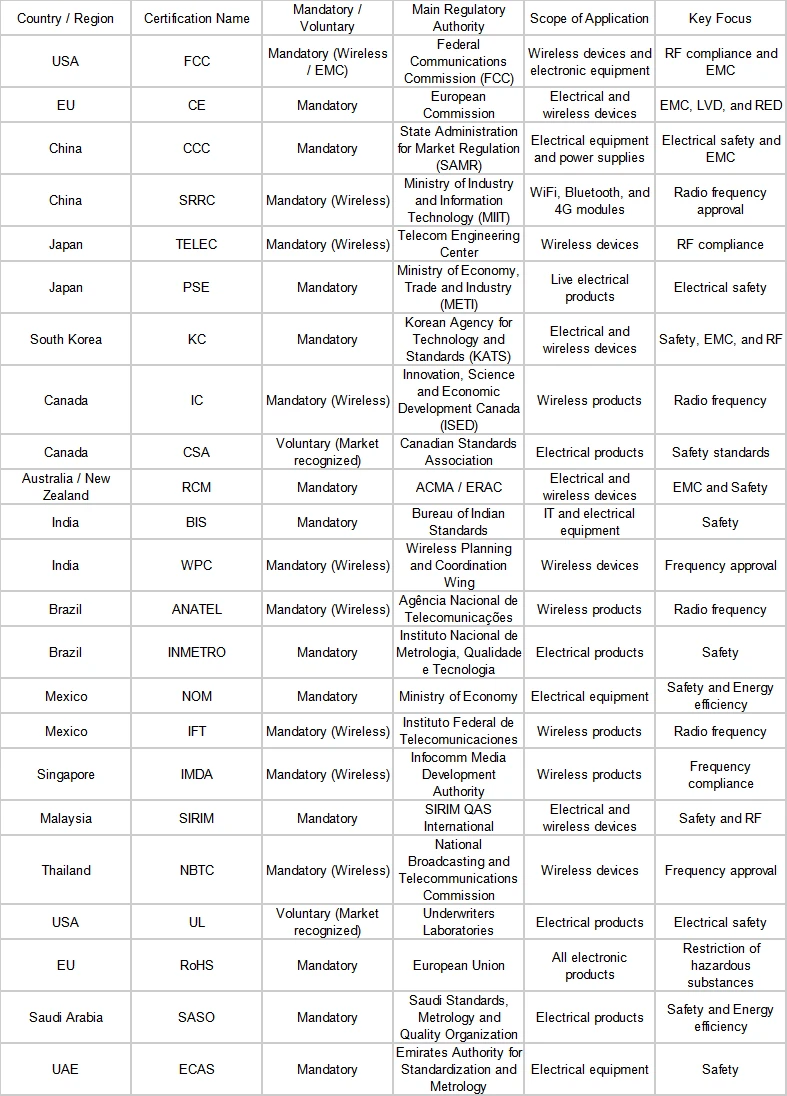
(1) Electrical Safety Certifications:While all countries require protection against fire and electric shock, certification systems differ:China: Mandatory China Compulsory Certification (CCC) certification;Japan: Product Safety Electrical Appliance & Material (PSE) certification under the DENAN law; South Korea: Korea Certification (KC) certification;India: Bureau of Indian Standards (BIS) certification.
In North America: United States: Compliance with federal safety regulations, with strong market recognition of UL Solutions (UL) certification (voluntary but highly credible) ; Canada: Canadian Standards Association (CSA) certification ;
In Latin America:Brazil: Mandatory National Institute of Metrology Quality and Technology (INMETRO) certification ;Mexico: Dirección General de Normas (NOM) compliance.
In the Middle East:Saudi Arabia: Saudi Standards Metrology and Quality Organization (SASO) certification; United Arab Emirates: Emirates Authority for Standardization and Metrology (ECAS) certification
(2) Wireless Communication & EMC Requirements:Shared power bank rental machines using Wi-Fi or 4G modules must comply with local wireless and EMC regulations.
Major mandatory certifications include:China: State Radio Regulation of China (SRRC) ; United States: Federal Communications Commission (FCC) ;European Union: CE marking (covering RED and EMC directives) ; Canada: Innovation Science and Economic Development Canada (IC) ; Japan: Ministry of Internal Affairs and Communications (TELEC)
Australia & New Zealand:Australian Communications and Media Authority (RCM) certification ; Southeast Asia:Singapore: Infocomm Media Development Authority (IMDA) ; Malaysia: SIRIM Berhad (SIRIM) ; Thailand: National Broadcasting and Telecommunications Commission (NBTC)
Other markets:India: Wireless Planning and Coordination Wing (WPC) ; Brazil: National Telecommunications Agency (ANATEL) ; Mexico: Federal Telecommunications Institute (IFT).
(3) Environmental & Hazardous Substance Compliance:Beyond safety and wireless standards, some markets impose environmental requirements:The European Union’s Restriction of Hazardous Substances Directive (RoHS) strictly limits hazardous substances such as lead and mercury in electronic products and is mandatory for entry into the EU market.Saudi Arabia’s SASO framework also includes energy efficiency requirements for certain electrical products.
Conclusion
Global regulatory scrutiny over electrical safety, EMC, wireless communication, and hazardous substances is becoming increasingly stringent. Non-compliant products face forced recalls, market bans, and reputational damage.
When building a rental power bank brand, operators should prioritize compliance from the outset. Partnering with manufacturers that already hold multiple international certifications can significantly lower entry barriers and accelerate expansion of mobile charging station businesses.
Although certification systems vary globally, their core focus areas remain similar:The United States emphasizes FCC and UL; The European Union strictly enforces CE and RoHS;China requires CCC and SRRC; Japan, South Korea, Southeast Asia, and Middle Eastern markets each maintain unique mandatory frameworks.
Understanding these diverse safety standards enables phone charging station operators to proactively mitigate regulatory risks, enhance brand credibility through high-standard certifications, and secure long-term competitive advantages in the power bank vending machine industry.
February 28, 2026
 The era of 9-minute fast charging is coming—does it pose a threat or an opportunity for the mobile charging station industry?
 Investment Return Analysis: How Long Does It Take for Your Portable Charging Station Business to Become Profitable?
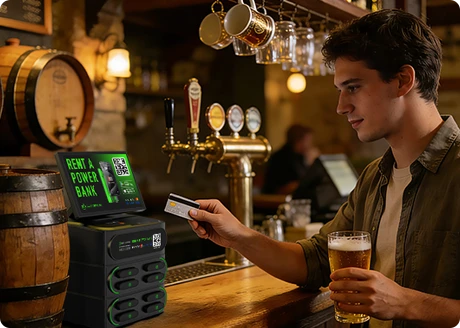 What strategies can increase the revenue of a cell phone charging station?
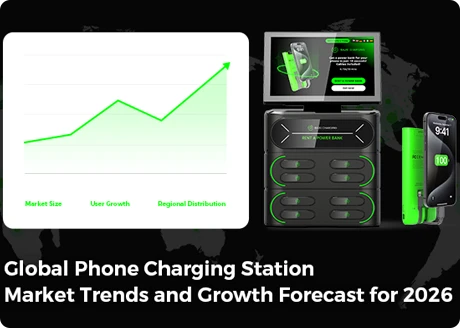 Global Phone Charging Station Market Trends and Growth Forecast for 2026
 How to correctly choose a power bank rental factory?
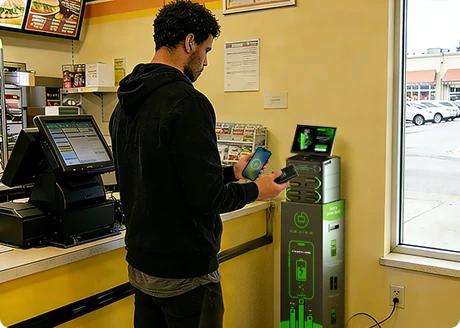 2026 new safety standards: what compliance requirements must portable charger machine brands pay attention to?