Which high-traffic scenarios deliver the best ROI for portable phone charging stations?
Power bank rental is not a business where scale alone guarantees fast success. What really accelerates cost recovery is precise placement in high-quality locations. Well-chosen venues can significantly increase device turnover, helping phone charging stations for business reach profitability faster.
So what makes a location truly “high quality”? This article looks at venue types, market data, and user behavior to help you identify high-potential locations, deploy devices more strategically, and build a portable phone charging vending machine business that grows in a healthy, sustainable way.
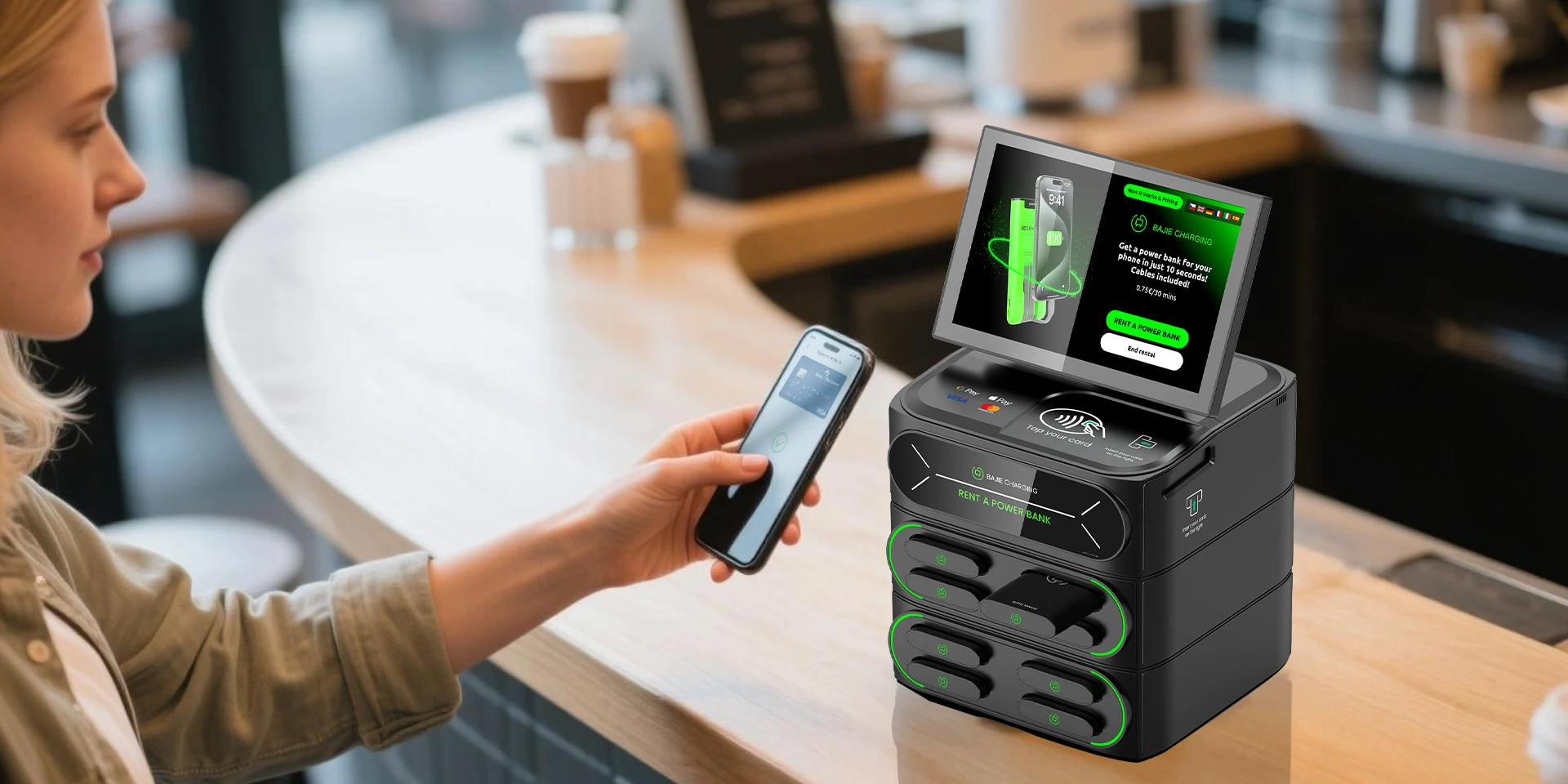
1. What Are the Main Deployment Scenarios for Phone Charging Station Rental?
Power bank charging stations are commonly deployed in:Food & beverage venues (restaurants, cafés), Commercial spaces (shopping malls, convenience stores), Transportation hubs (airports, railway stations), Tourist attractions, Leisure & entertainment venues (bars, KTVs)
When evaluating whether a location is worth deploying, focus on four core factors:Is foot traffic dense and consistent?Do users stay for a long time?Is phone usage frequent?Is charging a high-frequency or urgent need?Locations that meet these criteria usually deliver higher utilization rates, enabling faster ROI.
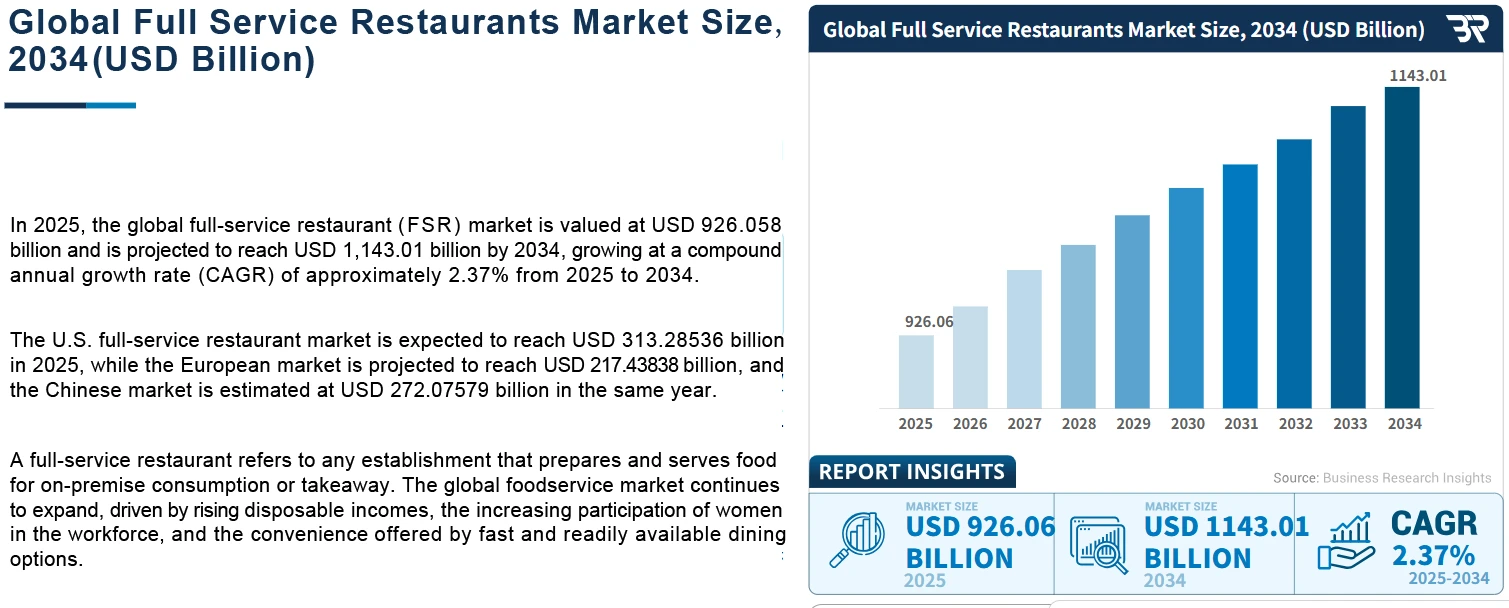
High-Frequency Dining Venues:According to The Business Research Company, the global foodservice market reached USD 926.06 billion in 2025 and is expected to grow to USD 1,143.01 billion by 2034. The continued expansion of restaurants creates strong opportunities for deploying cell phone charging kiosks.Customers often spend extended periods dining and socializing, which naturally increases phone usage. Deploying branded phone charging stations in restaurants can generate stable and repeat rental orders.
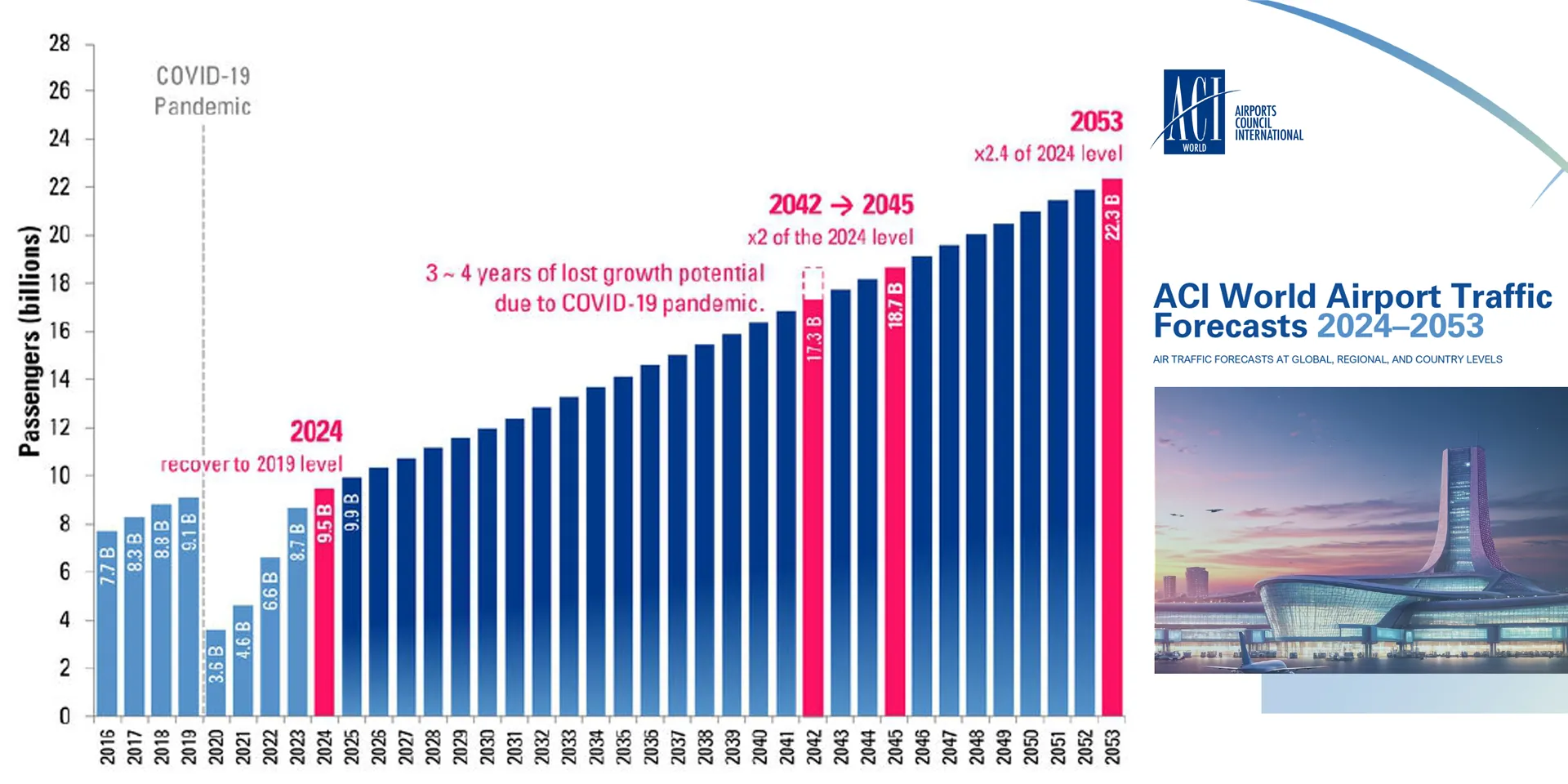
Transportation Hubs with Rigid Charging Demand:Airports and train stations handle massive daily passenger flows. Travelers typically arrive 1–2 hours early, and delays or transfers can extend dwell time to 2–3 hours or more. During this time, phones are heavily used for navigation, communication, and entertainment—making charging an urgent need.According to ACI’s World Airport Traffic Forecast (2024–2053), global air passenger traffic is expected to reach 9.9 billion trips in 2025, rising to 18.7 billion by 2045.
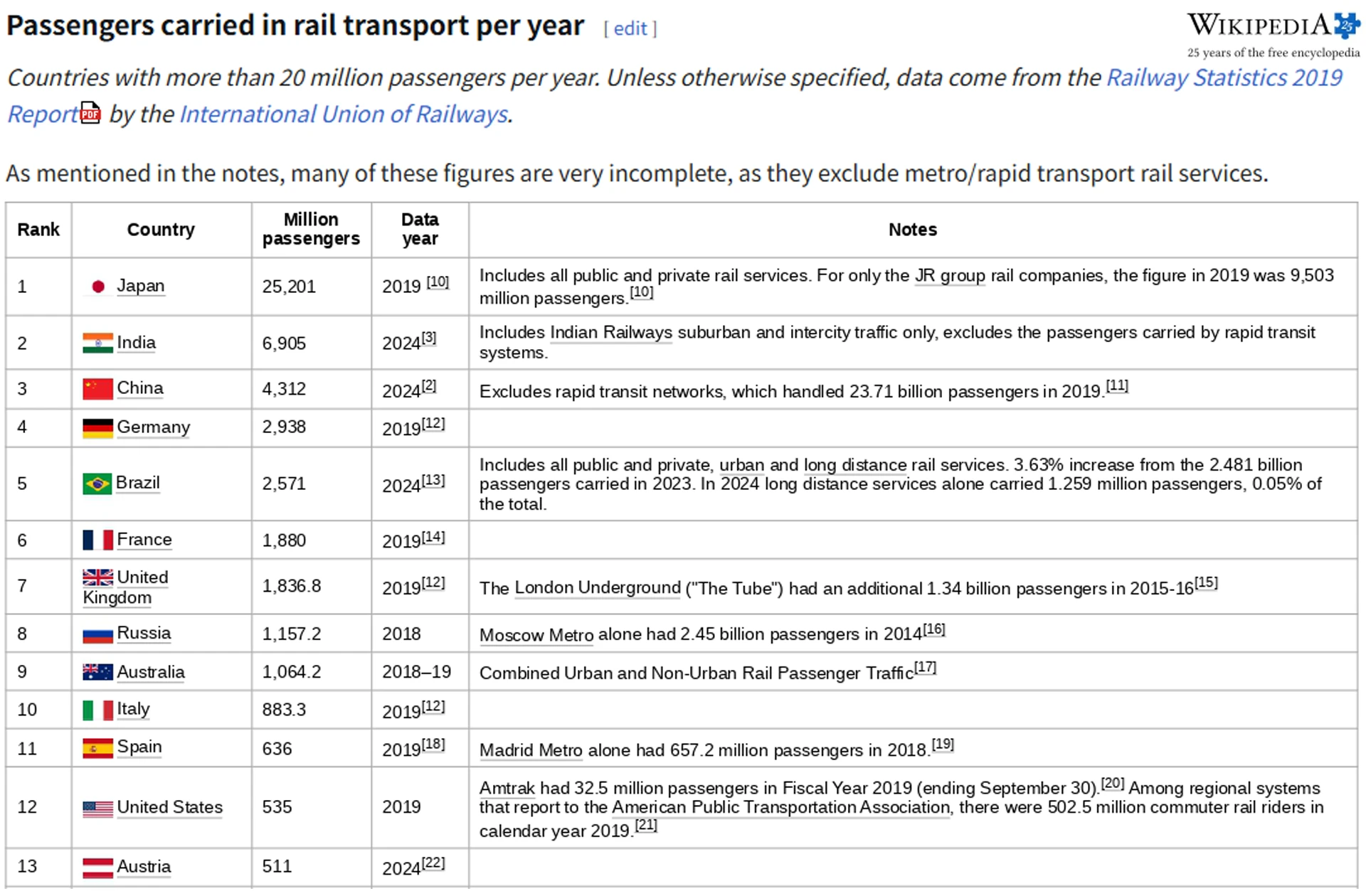
Data from the International Union of Railways (UIC) also shows that global rail systems carry enormous passenger volumes. In commuting and travel scenarios, instant charging is often a necessity rather than a convenience. As mobility demand grows, so does demand for portable battery rental services.
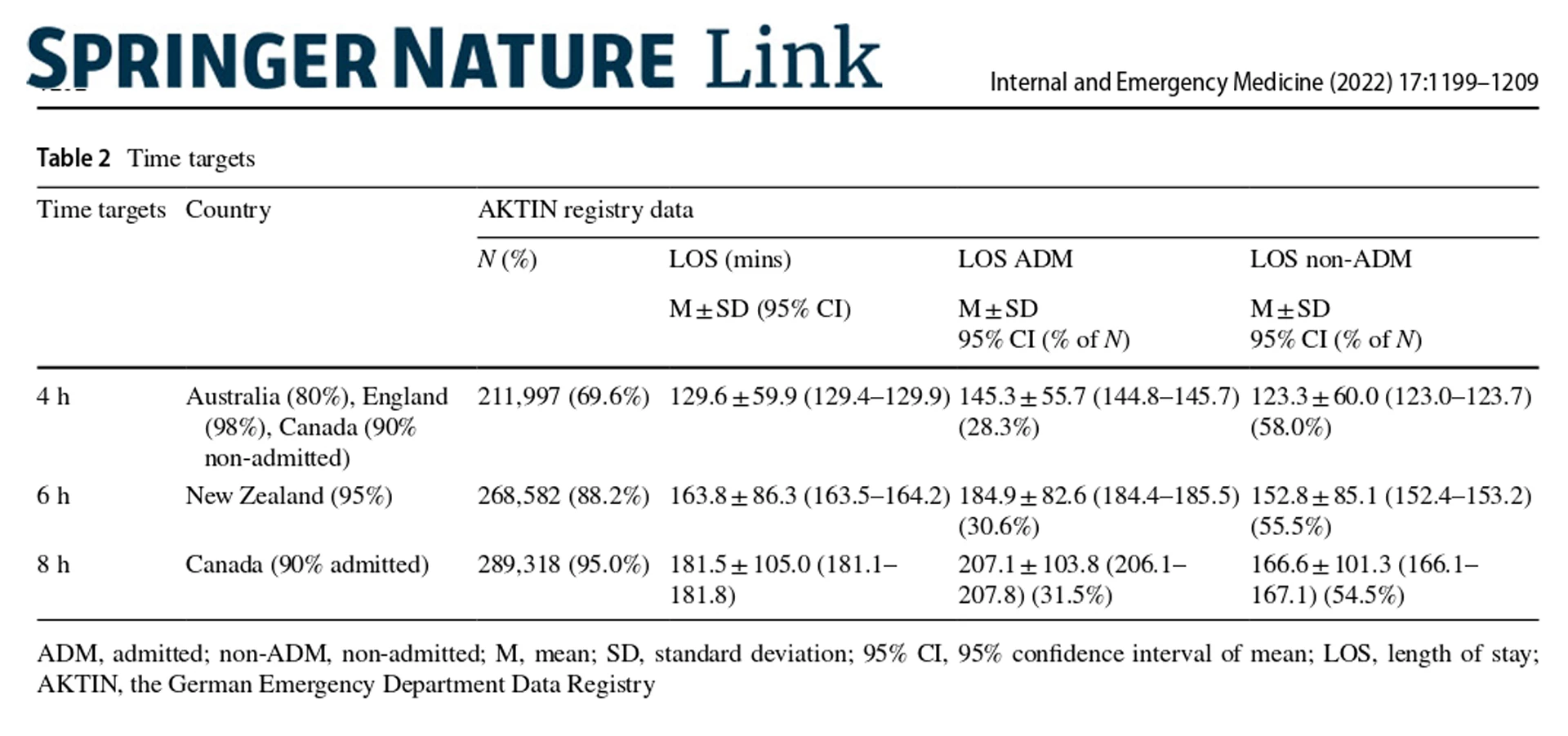
Hospitals and Other Long-Stay Environments:Data published on Springer Nature Link shows that average emergency department stay times exceed two hours in many countries:Australia & the UK: 129.6 minutes. New Zealand: 163.8 minutes. Canada: 181.5 minutes.Patients, families, and medical staff rely heavily on phones for communication, information, and entertainment. Portable battery charging stations provide an efficient and convenient solution in these situations.Hospitals also benefit from steady, all-day foot traffic across multiple user groups, resulting in high utilization and low idle rates for rental power bank stations.
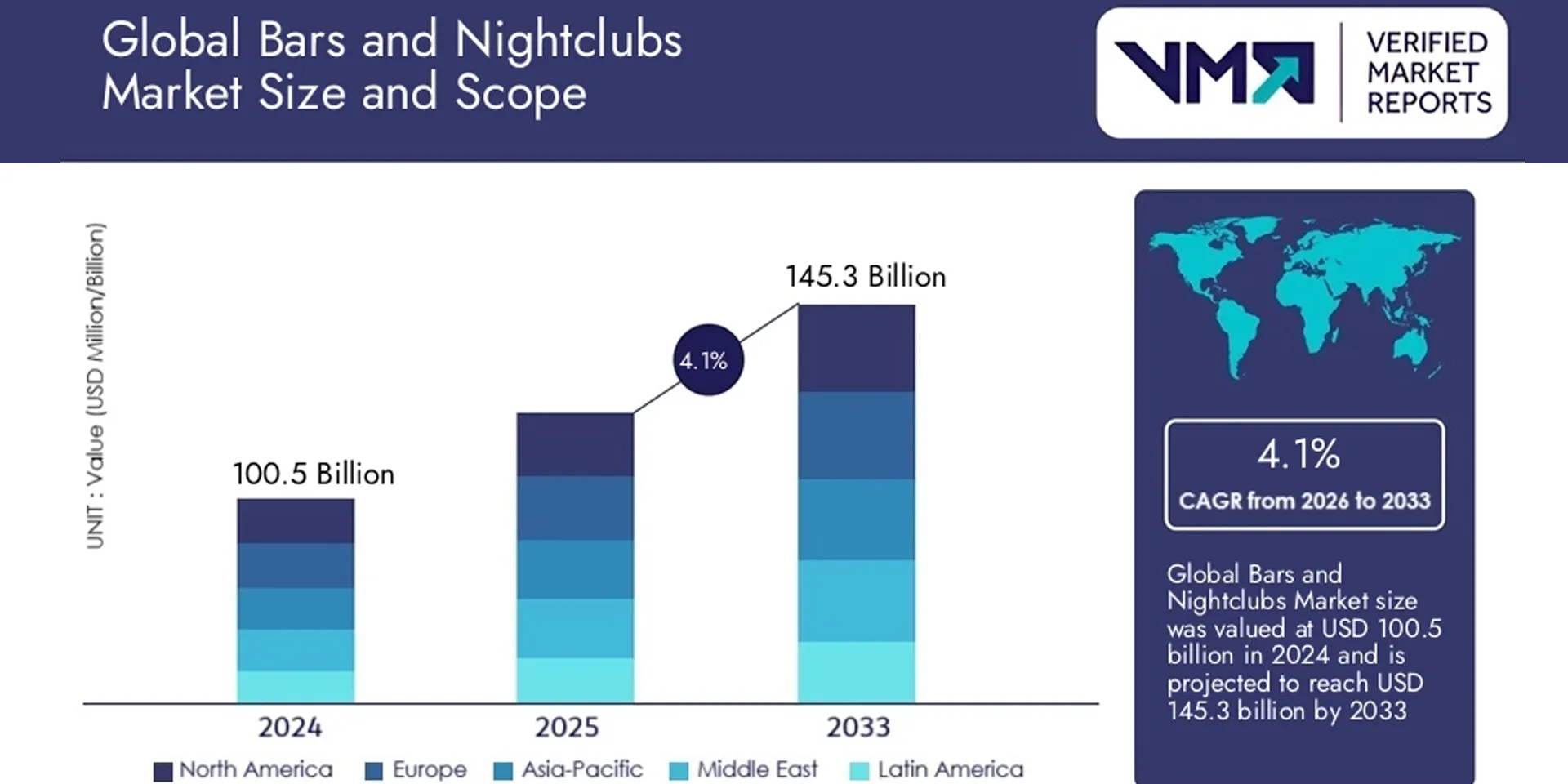
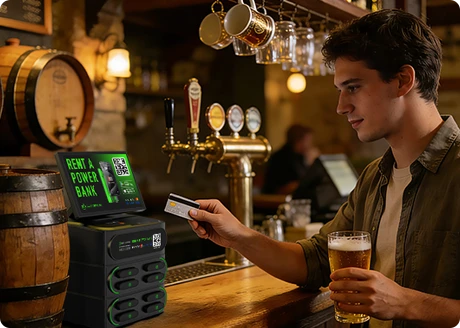
Entertainment Venues with Stable Returns: People tend to stay for long periods in bars and nightlife venues, using their phones frequently for social media, messaging, and photos—draining battery quickly.According to Market.us, the global bar, pub, and nightclub market is expected to grow from USD 100.5 billion in 2024 to USD 145.3 billion by 2033. As these venues expand, deploying public cell phone charging stations can generate strong and consistent revenue.
2. How Does ROI Differ Across Scenarios?
Foot traffic determines the size of the potential user base, while dwell time affects revenue per session. Charging urgency strongly influences willingness to pay. Just as important is ease of access—placing power bank sharing stations near exits or main walkways makes it easier for users to try the service and form habits.
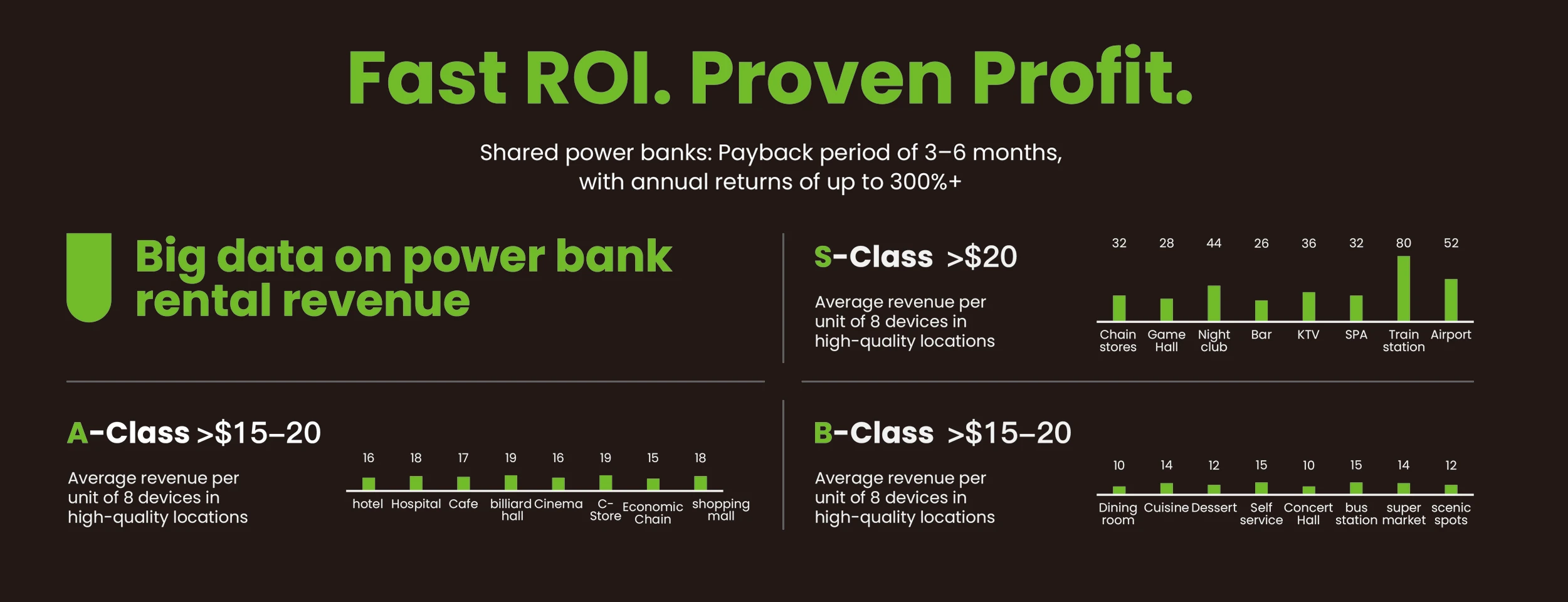
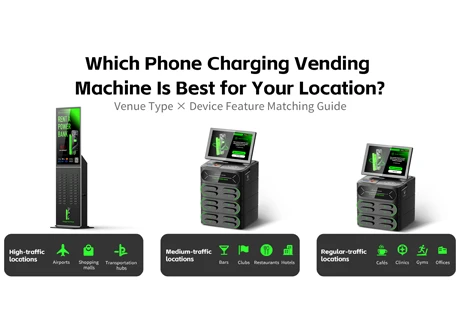
Based on revenue performance, deployment scenarios can be grouped into S-, A-, and B-level locations. S-level locations: Transportation hubs with heavy traffic and urgent demand. For an 8-slot phone recharge station costing around USD 300, daily revenue can exceed USD 20.Typical figures:Train stations: ~USD 80/day. Airports: ~USD 52/day.
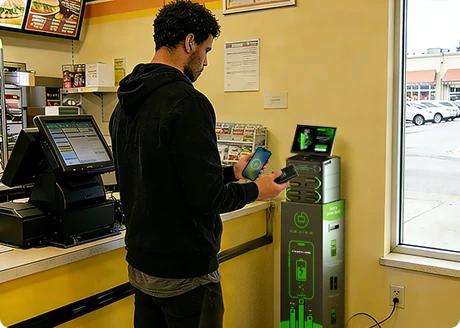
A- and B-level locations: Cinemas, malls, restaurants, tourist attractions. Daily revenue usually ranges from USD 10–19 per unit. While single-unit returns are lower, these venues offer large scale and strong network effects.
Conclusion
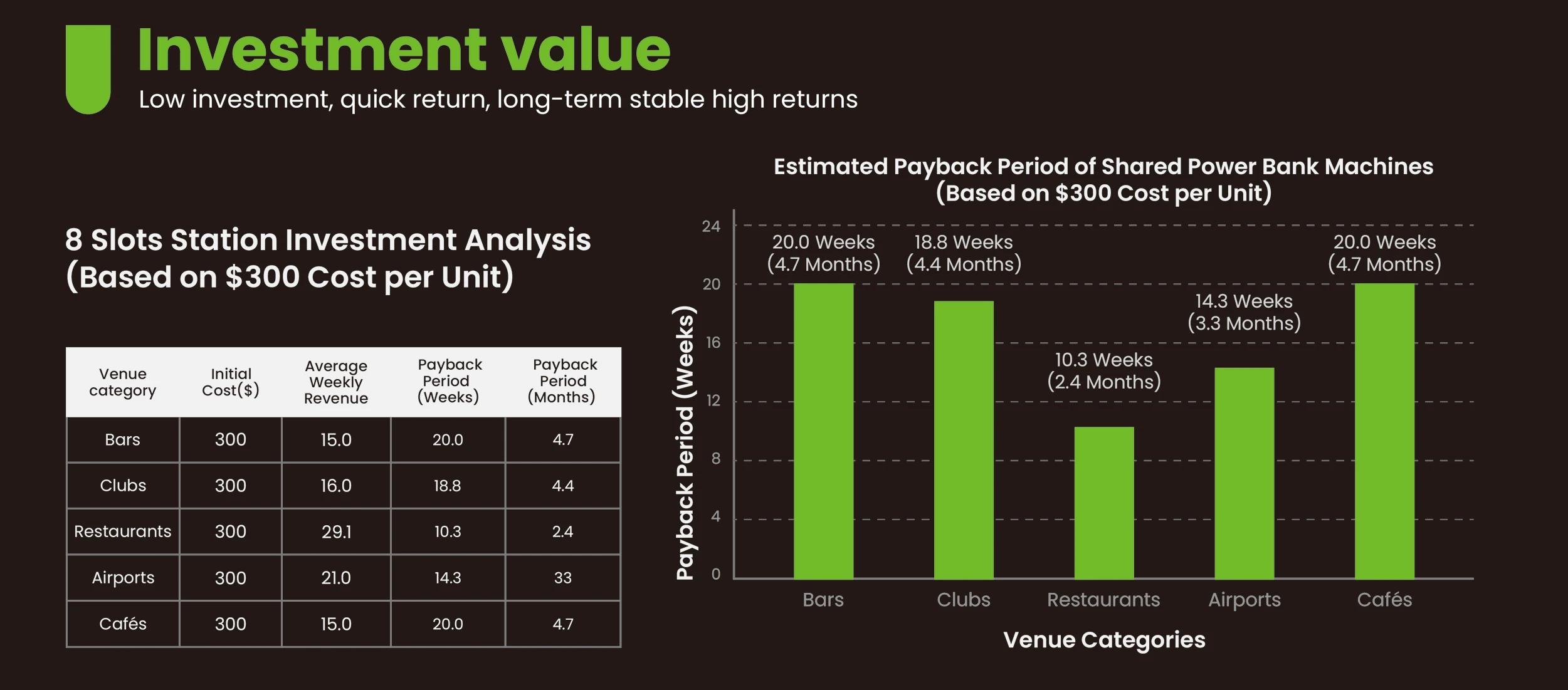
Everyday dining venues often deliver faster capital recovery thanks to stable rental frequency and concentrated peak usage periods. Transportation hubs may have longer payback cycles, but their traffic stability and long-term revenue potential make them essential strategic locations.
Ultimately, the characteristics of each location determine revenue efficiency. By systematically analyzing user profiles, dwell time, and charging frequency, operators can deploy more scientifically, optimize performance continuously, and build a mobile charging station business that remains profitable over the long run.
January 30, 2026
 What strategies can increase the revenue of a cell phone charging station?
 Global Phone Charging Station Market Trends and Growth Forecast for 2026
 How to correctly choose a power bank rental factory?
 2026 new safety standards: what compliance requirements must portable charger machine brands pay attention to?
 Which phone charging vending machine is best for your location?
 Which high-traffic scenarios deliver the best ROI for portable phone charging stations?