How can Shared MiFi Build a Scalable Business Model?
Global tourism, concerts, business travel, remote work, and outdoor livestreaming are rapidly expanding, fueling fast-growing demand for on-the-go mobile network access. Shared MiFi is emerging as a new solution for convenient internet connectivity, offering flexible mobile data for users and a sustainable profit model for investors.
Shared MiFi is a portable Wi-Fi device that provides mobile network hotspots anytime, anywhere, supporting multiple devices such as laptops, tablets, and game consoles. It serves international travelers, business professionals, students, outdoor streamers, and other user groups by delivering efficient and reliable connectivity.
1. Why is the surge in mobile connectivity demand turning shared MiFi into a promising blue-ocean market?
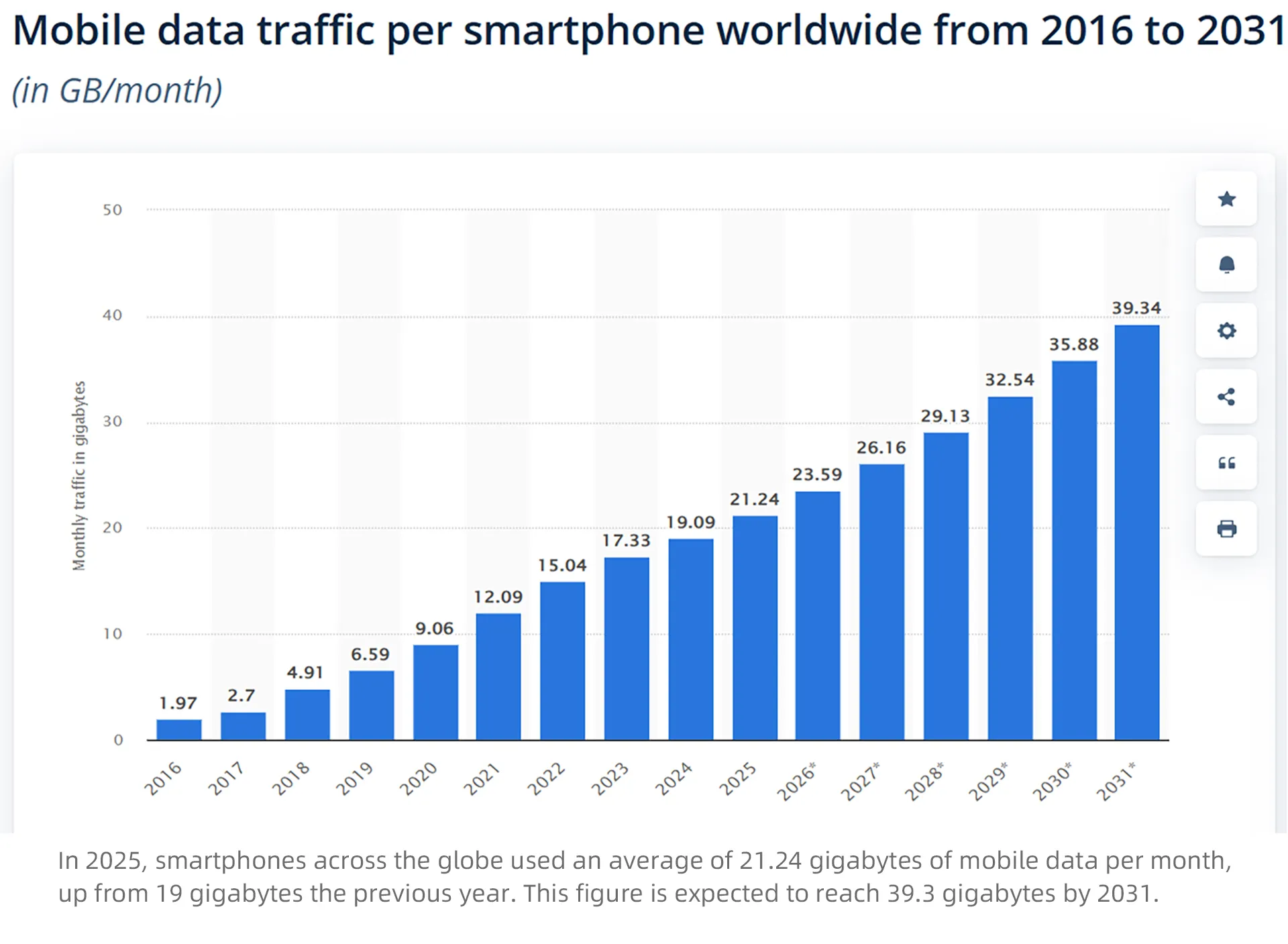
According to Statista, global mobile data usage per smartphone is projected to reach 21.24GB per month in 2025 and 39.3GB by 2031. With the widespread adoption of mobile apps, video streaming, online gaming, and real-time content consumption, users are becoming more reliant on mobile data. Shared MiFi offers flexible connectivity for travel, entertainment, work, and international mobility, enabling users to access the internet anytime and anywhere.
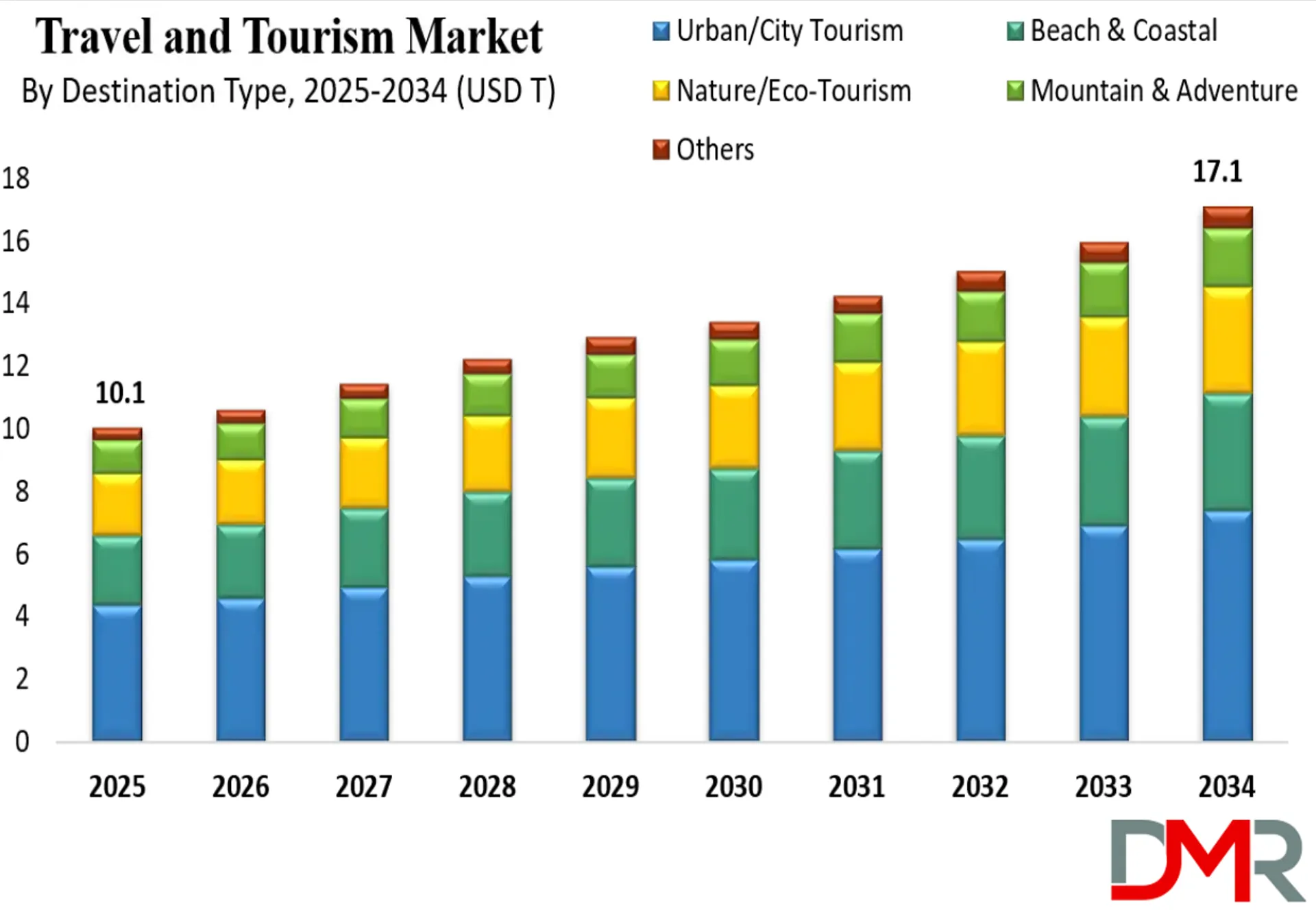
 Data from DMR indicates that the global tourism market is expected to reach USD 10.1 trillion in 2025, growing to USD 17.1 trillion by 2034 with a 6.0% CAGR. Rising leisure and business travel, along with surging international visitor volumes, continues to drive global connectivity needs, creating major opportunities for Shared MiFi.
 At music festivals, trade fairs, and other high-traffic events, network congestion often leads to slow speeds, disrupting livestreaming, sharing, and communication. Shared MiFi delivers stable, high-speed connectivity to support high-traffic and low-latency network scenarios. According to Grand View Research, the global music tourism market is experiencing explosive growth, rising from USD 91.44 billion in 2024 to USD 330.12 billion by 2033, at a remarkable 15.6% CAGR. The expansion of the global festival industry continues to create fertile ground for Shared MiFi-driven connectivity services.

2.What are the key advantages of shared MiFi?
Traditional SIM card models are limited to single-user access, lack flexibility, and incur high package fees. Unused data at the end of billing cycles results in waste, low resource utilization, and limited monetization.
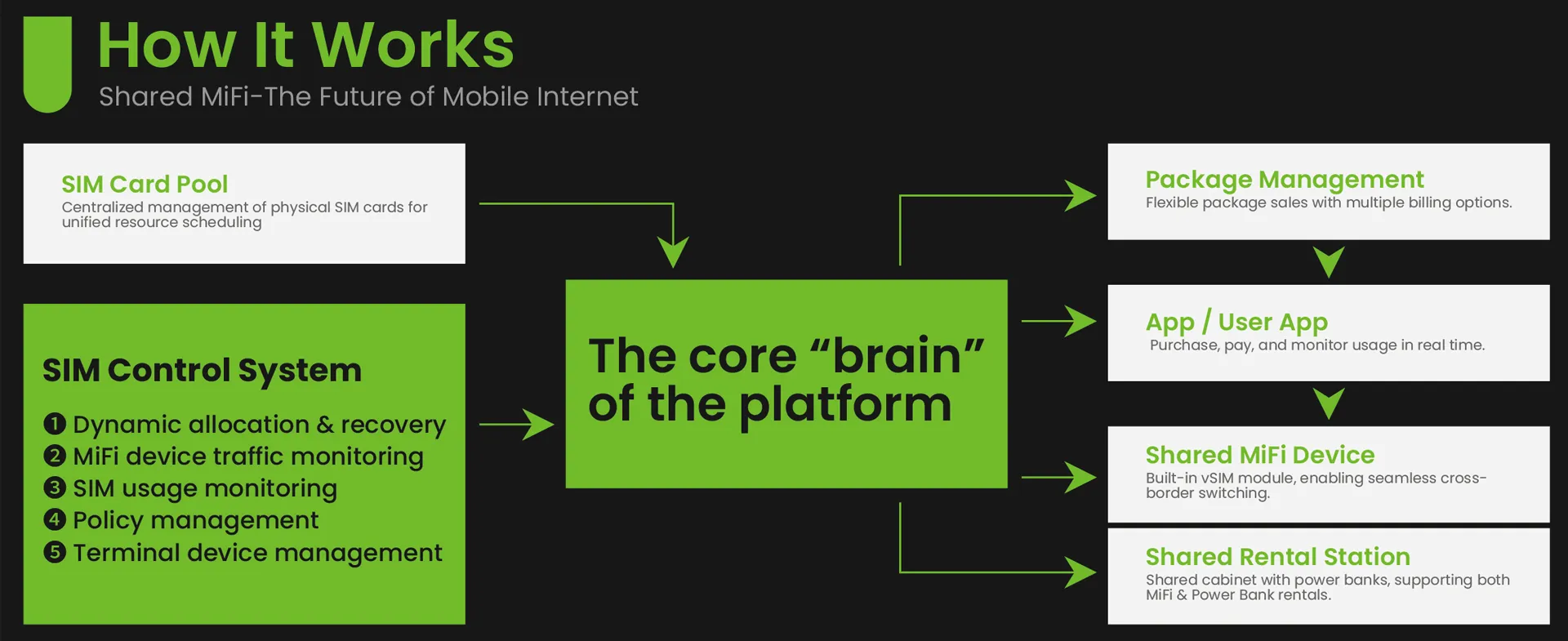
Shared MiFi leverages vSIM technology and SIM card pooling to dynamically allocate and recycle SIM resources. When a device becomes idle, the SIM card is instantly recovered and reassigned to the next user, maximizing efficiency. Unused data is repurposed across users, enabling true “multi-user sharing and pooled data consumption.”
Roaming often cannot support services like Google Maps, while prepaid SIM cards cannot be renewed easily and require complex top-ups. These solutions mostly suit low-usage or low-performance scenarios.
Shared MiFi offers broader coverage via multiple local operators, flexible data packages with no high-speed throttling, multi-device usage, and instant plug-and-play connectivity. It supports services like Google Maps and enables users to extend rentals for international travel, study, and business trips—providing a more cost-effective and flexible connectivity alternative.

3.How Shared MiFi Monetizes and Builds a Scalable Business Model?
The technology platform offers multiple Shared MiFi data packages tailored to varying user needs, enabling investors to generate revenue through device rental fees and data service margins. Advertising screens on Shared MiFi charging stations introduce additional income streams.
Membership and subscription services create recurring revenue through loyalty and value-added offerings. Investors can also collaborate with travel agencies, event organizers, and other enterprises to deliver scenario-based connectivity solutions and unlock incremental revenue.
Through intelligent SIM management systems, investors can automate SIM recycling, device allocation, data monitoring, and real-time device tracking. The platform enables efficient asset management and streamlined operations at scale.
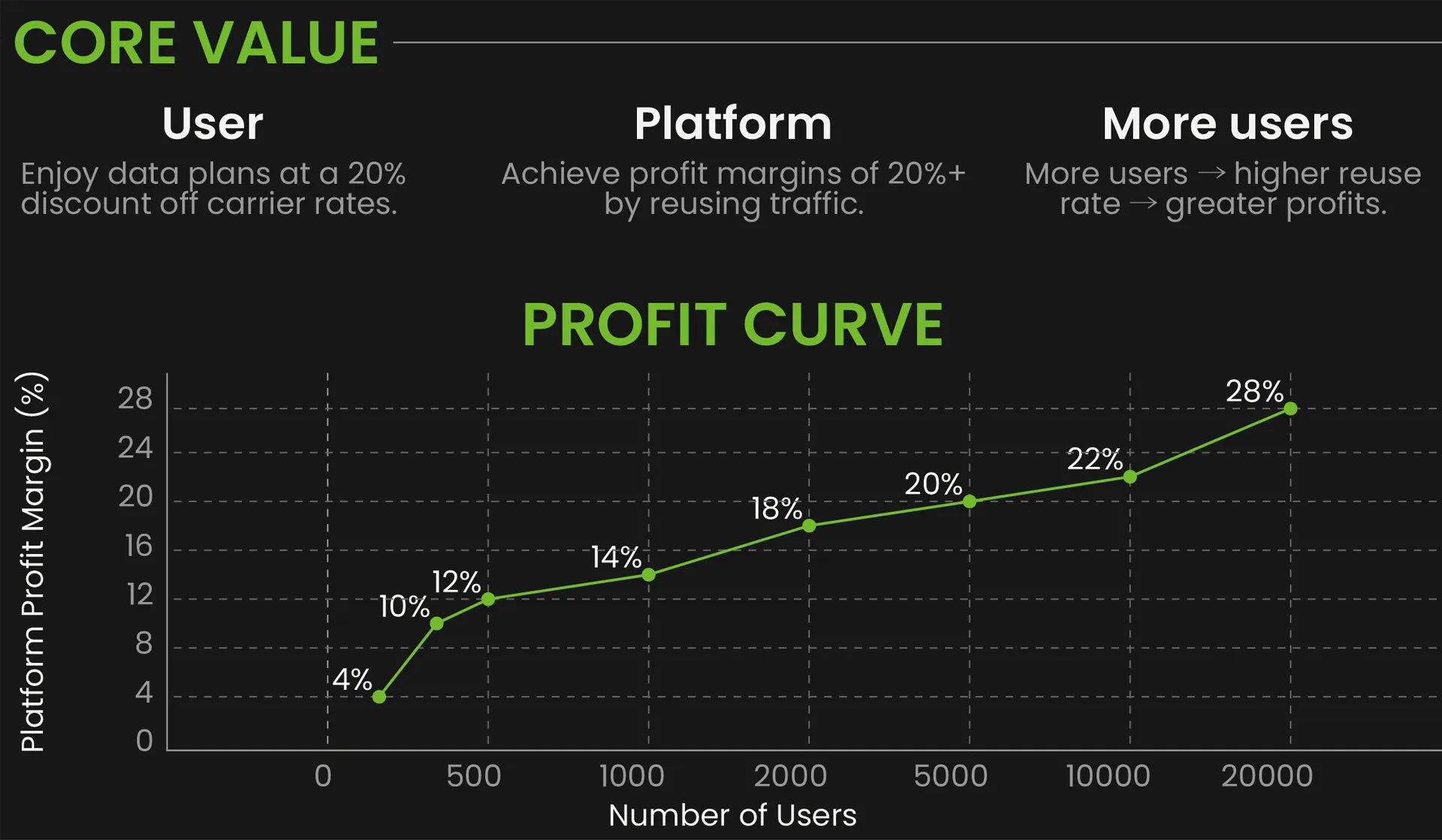
Shared MiFi’s pooled data architecture reduces per-user service cost and helps investors achieve over 20% profit margins. As the user base expands, utilization efficiency increases, driving higher returns and reinforcing a positive business cycle.
Conclusion
Global mobile data consumption continues to surge, and users increasingly depend on stable internet during international travel, remote work, and mobile entertainment. Shared MiFi provides a flexible, high-performance solution supporting instant connectivity and multi-device access with data pooling capabilities.
Through device rentals, pooled data allocation, memberships, and advertising, Shared MiFi generates sustainable cash flow for investors. Intelligent SIM control enables dynamic resource scheduling and low-marginal-cost operations, allowing investors to manage Shared MiFi networks at scale. By deploying dense Shared MiFi networks, investors build network effects and scalable, replicable business models for rapid market expansion.
January 9, 2026
 2026 New Safety Standards: What Battery Compliance Requirements Must Portable Charger Machine Brands Pay Attention To?
 Which Phone Charging Vending Machine Is Best for Your Location?
 Which High-Traffic Scenarios Deliver the Best ROI for Portable Phone Charging Stations?
 How to seize the market opportunity of portable charger rental stations in Canada to achieve fast launch and profitability?
 How can 120-language support help investors win the sharing power bank station market?
 How can Shared MiFi Build a Scalable Business Model?