How to seize the market opportunity of portable charger rental stations in Canada to achieve fast launch and profitability?
A cell phone charge station is a portable, on-demand charging solution deployed in public venues to address the growing dependence on mobile devices and the difficulty of finding charging access in public spaces. Driven by the rising penetration of smartphones and the increasing charging demand, rent power bank services are becoming one of the fastest-growing emerging segments in Canada’s digital economy. For Canadian investors seeking a high-demand, low-risk, and scalable business opportunity, understanding Canada’s mobile charging station market demand and growth potential is key to capturing the market early.
1. How Large Is Canada’s Phone Charging Station Market?
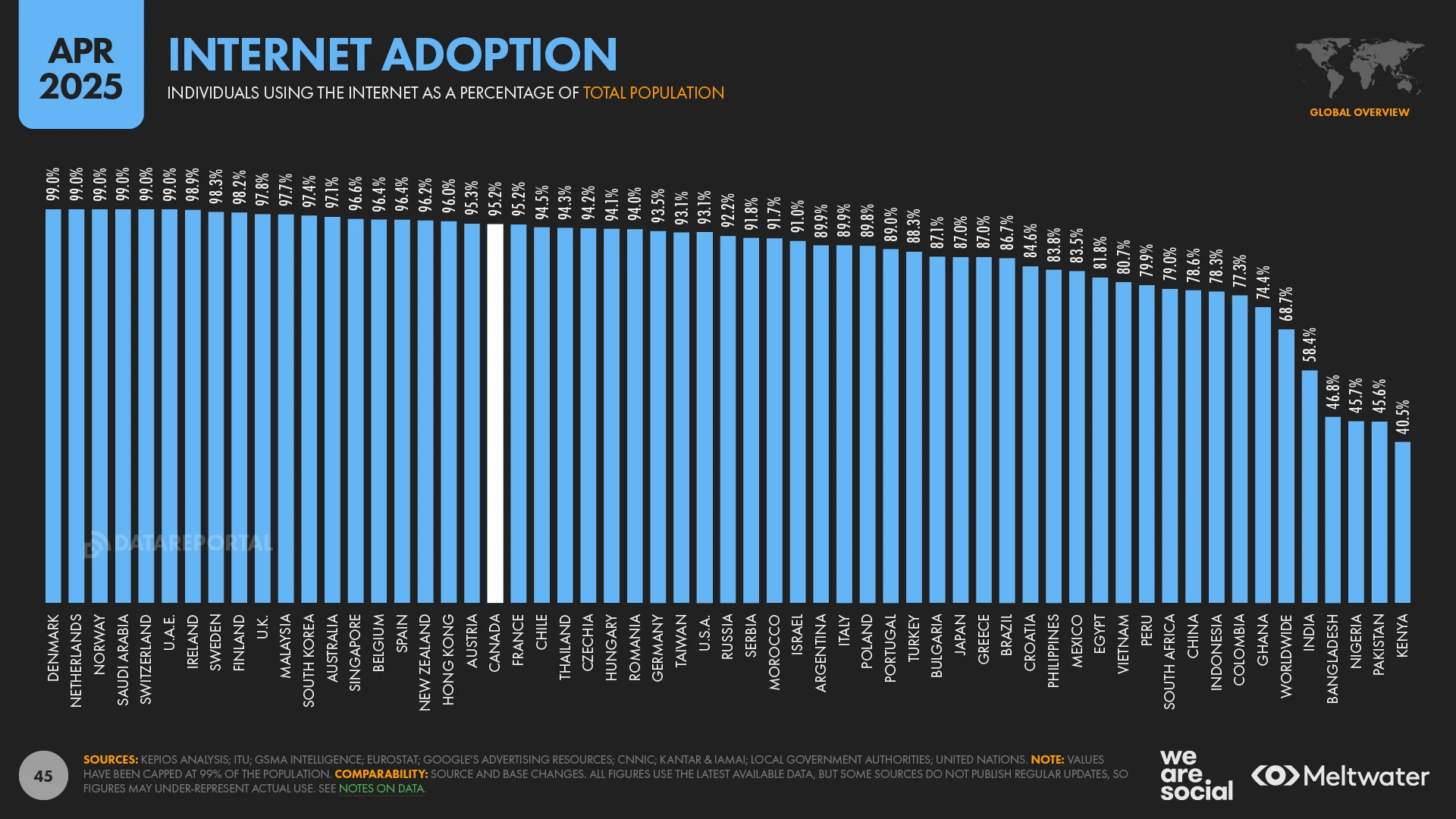
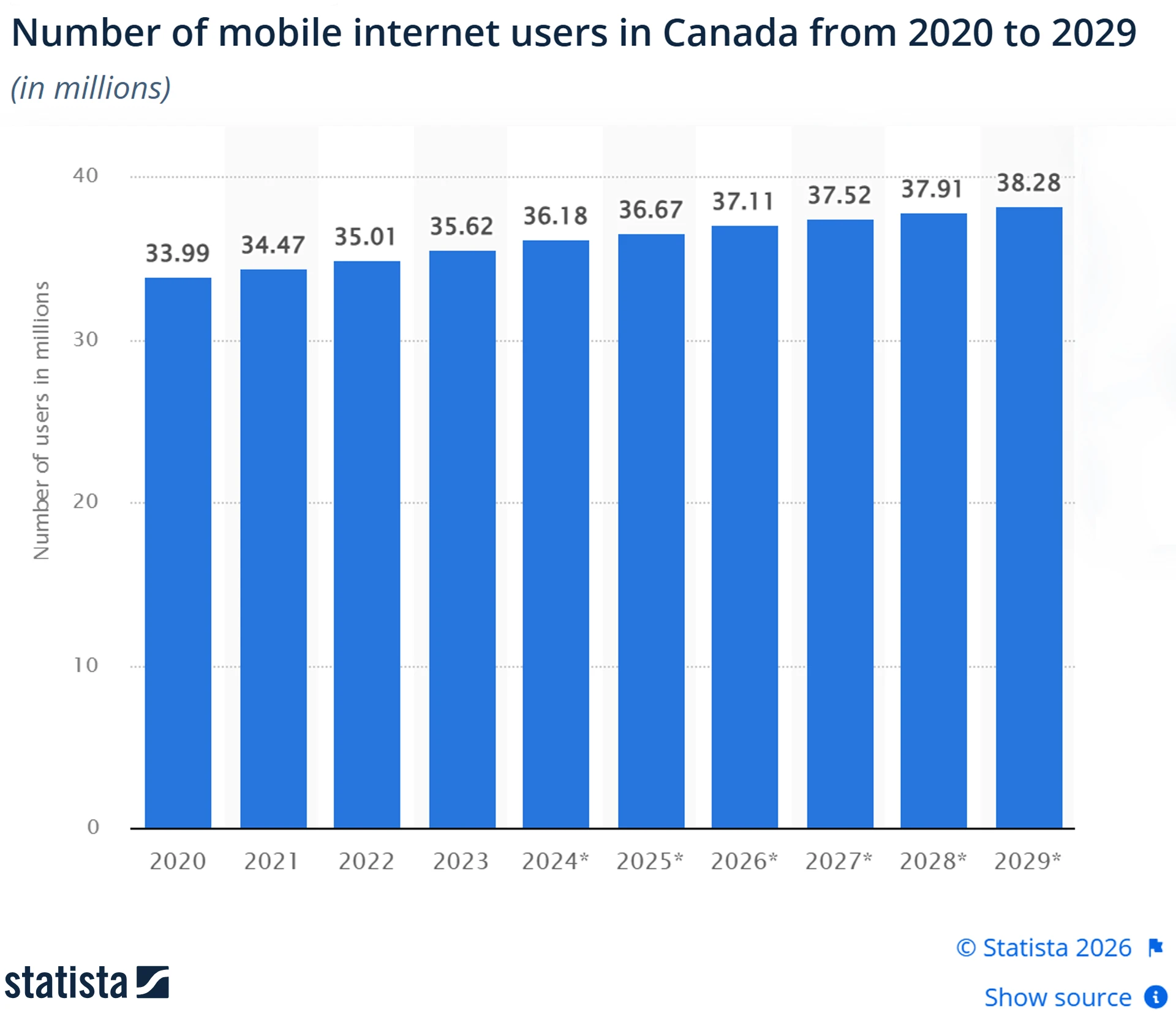
Canada’s smartphone penetration rate has reached 95.2%, with 36.67 million smartphone users. According to Statista, the number of smartphone users in Canada is expected to continue growing and is projected to reach 38.28 million by 2029. People rely heavily on smartphones for work, entertainment, learning, and social interaction, causing rapid battery consumption. Although Canada has a relatively developed public charging infrastructure, most facilities require users to stay at the charging location, failing to satisfy the need for mobile charging. Canada’s shared power bank market is still in the early stage with a significant market gap. Early entrants may secure first-mover advantages by providing convenient charging services and establishing brand presence.
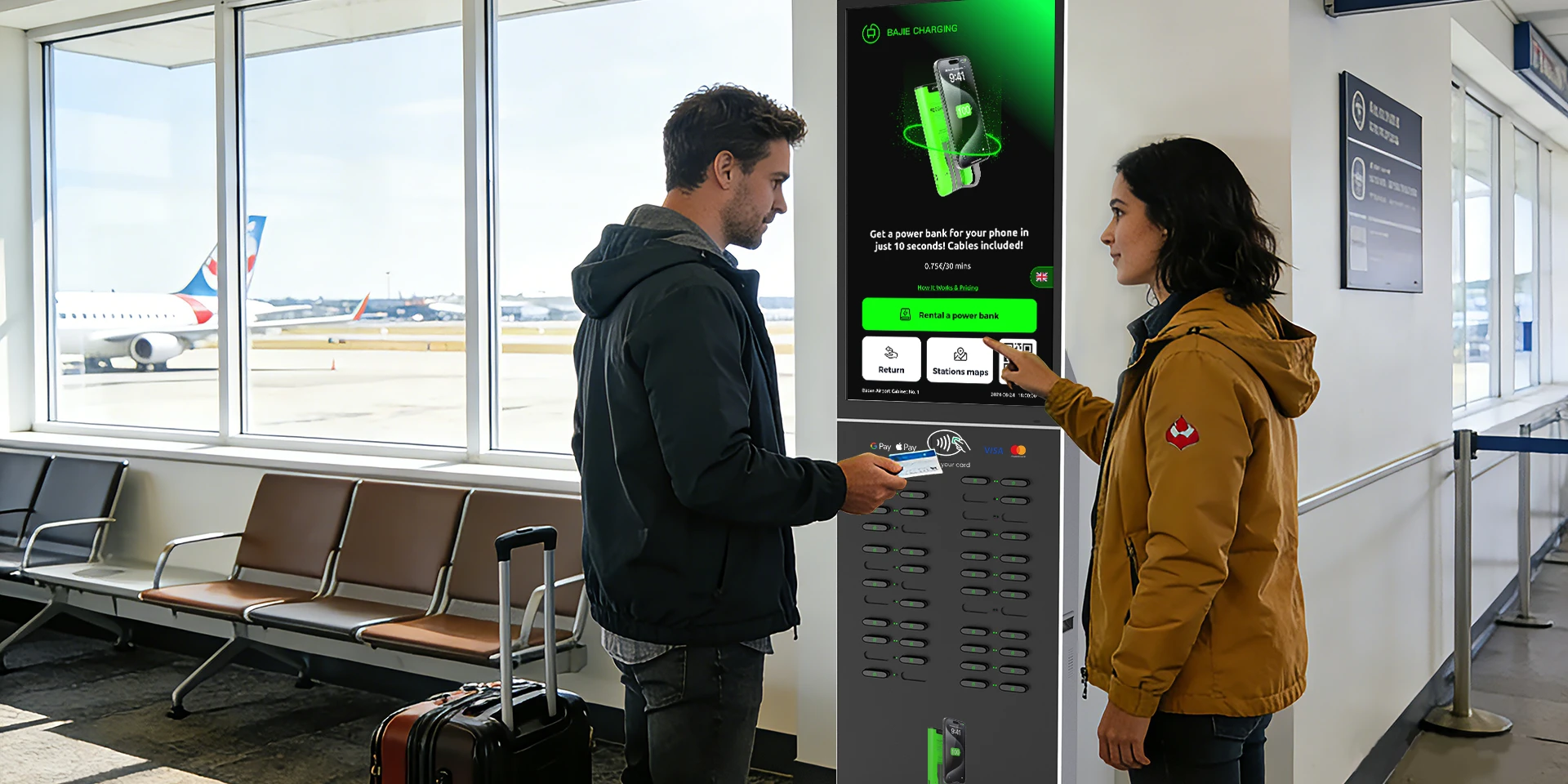
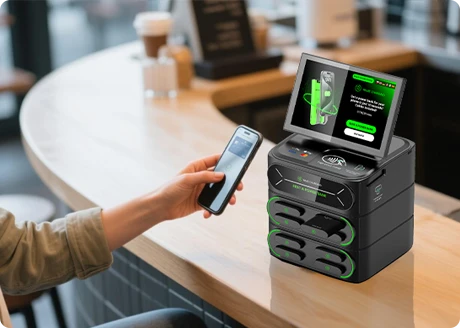
Shared power banks provide short-term mobile charging services. Users can rent a power bank via QR code, credit card, or NFC (Apple Pay / Google Pay / Samsung Pay), and return it to any compatible location of the same brand. The service meets emergency charging needs in mobile scenarios and enables self-service usage.
Developed Tourism Market & High Passenger Traffic: Canada is a major global tourism destination, attracting large volumes of international tourists annually. Tourists experience even higher charging demand and often do not carry power banks due to inconvenience. Navigation, mobile payments, translation, reservations, communication, and social media all increase smartphone usage. Power bank sharing provides an instant solution, and tourists are generally more willing to pay for convenience.
Tourists are concentrated in core commercial districts, tourist attractions, airports, hotels, transit hubs, and shopping centers—ideal shared power bank locations.
High-Frequency Emergency Charging Needs: Tourists heavily rely on smartphones for navigation, information, booking, communication, payments, and photography. Battery shortages impact overall travel experience. Power banks are bulky, require charging themselves, and face airport battery restrictions, making them inconvenient for tourists. Shared power banks enable frictionless renting anytime and anywhere, solving urgent charging needs.
Canada’s shared charging market remains underdeveloped, representing a blue-ocean opportunity. With a large population base, extremely high smartphone usage, widespread mobile payment adoption, and high-frequency charging needs, the market is expected to grow rapidly. Additionally, Canada prioritizes sustainability. The shared rental model aligns with eco-friendly consumption trends and encourages reduced device ownership, further expanding market acceptance.
2. How Do Shared Power Bank Models Generate Profits in Canada?
As an innovative business model, shared power banks generate revenue by providing convenient charging services. Through high-frequency usage, low unit pricing, scaling effects, channel value, and user data analytics, operators unlock diversified income streams.
Profit channels include:rental fees, advertising placements, deposit float income , membership / value-added services , accessory & product sales.
Rental fees cover operational costs and drive profitability. Deploying devices in high-traffic venues allows operators to display advertisements for additional revenue. Memberships and localized services generate incremental value. Deposits create short-term liquidity and float income, while accessory sales expand revenue streams.
Shared networks scale by deploying large numbers of charging nodes across high-flow environments to increase utilization rates. The unmanned and remote management operating model reduces labor and maintenance costs, helping investors control expenses and achieve faster breakeven.
3. Strategies to Rapidly Capture the Canadian Power Bank Kiosk Market
Conduct in-depth market research to assess Canada’s shared power bank landscape, demand patterns, competitive environment, adoption barriers, regulations, and growth forecasts. Evaluate market potential from technology, policy, and consumer acceptance perspectives.
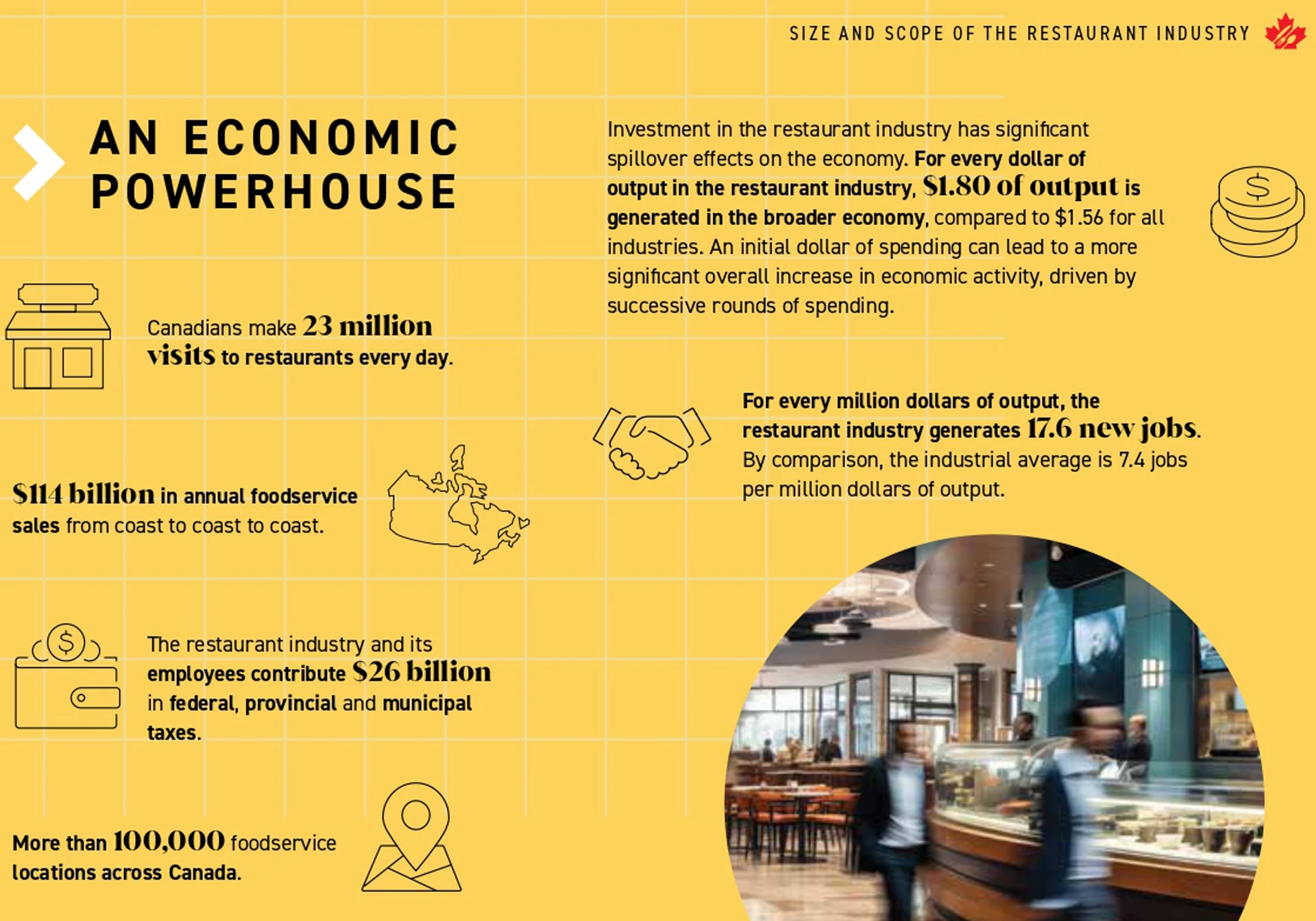
According to data from Restaurants Canada, the country has more than 100,000 foodservice establishments, serving around 23 million customers daily. Deploying shared power banks in restaurants, malls, hotels, and tourist attractions helps build a dense and convenient network for users to rent and return.
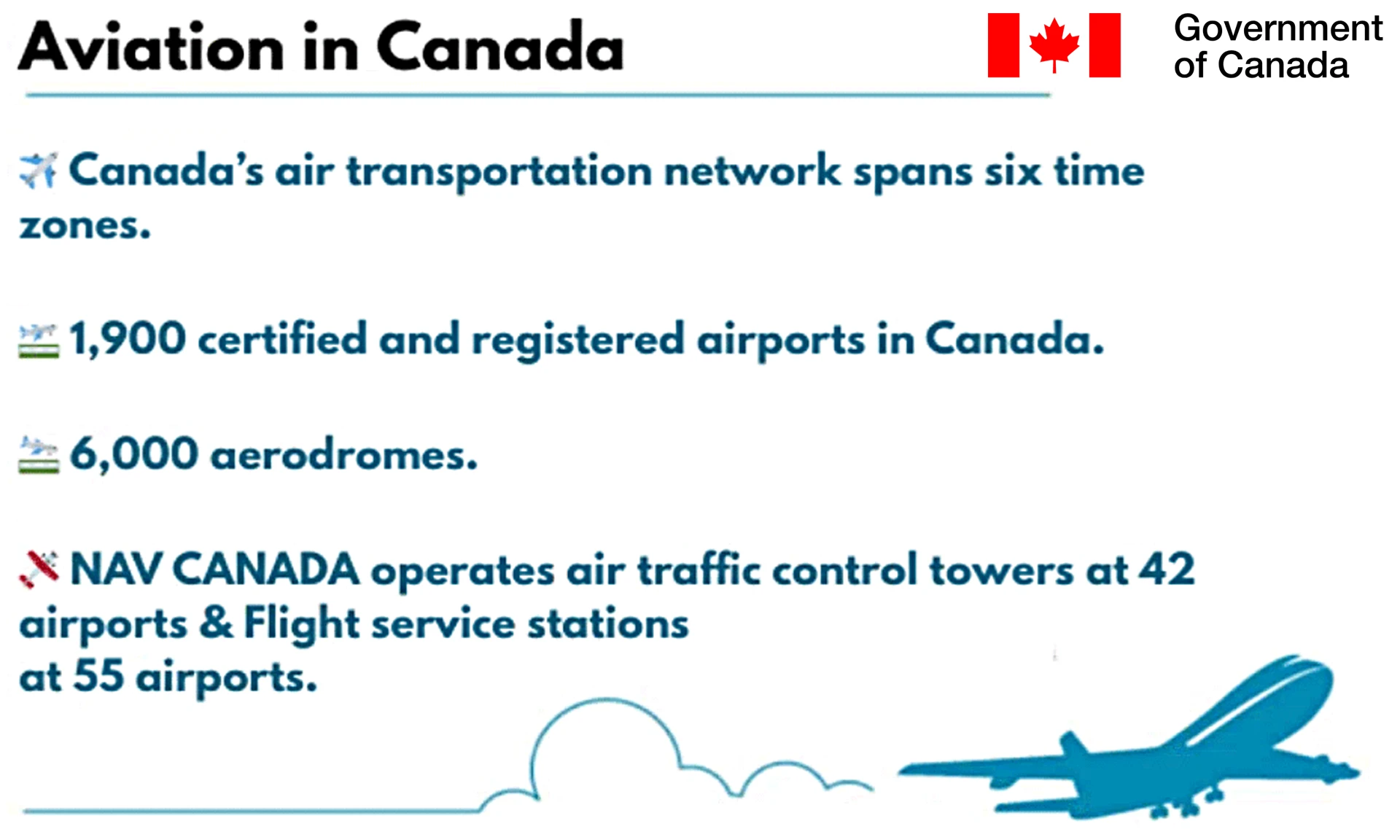
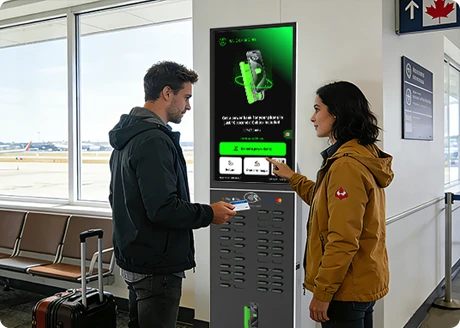
Government of Canada data shows the country has 1,900 certified and registered airports and over 6,000 aerodromes. With long dwell times and heavy passenger flow, airports are ideal shared charging nodes.
By analyzing rental frequency, rental duration, venue preferences, and user segments, operators can build detailed user personas to identify high-value usage scenarios and tailor product strategies.
Investors may differentiate through faster response to market trends, technology innovation, operational excellence, and high-quality venue acquisition. Efficient operations lower cost structure, and high-quality venue coverage accelerates scaling and business growth.
4. How to Launch a Cell Phone Power Bank Business in Canada Quickly
Building the technology stack independently can cost millions. Most investors partner with established shared power bank factories to customize software, hardware, and payment gateways tailored to local market demands.
Poor charging efficiency, device compatibility issues, and high failure rates directly impact user experience. Investors must evaluate factory certifications and capabilities to ensure long-term operability.
Key evaluation criteria include:international certifications (ISO9001, CE, UL, etc.), R&D capabilities and product iteration speed, production scale and supply chain reliability, compliance and localization support for Canadian market entry.
Factories offering end-to-end solutions—from equipment to software to payment integration—enable rapid deployment with minimal upfront cost. Smart management systems support remote operations, reducing maintenance costs.
Conclusion
To launch and scale effectively in Canada, investors must align with local market characteristics. Canada’s vast geography and highly concentrated urban population make cities like Vancouver, Toronto, and Montreal ideal hubs, with dense commercial districts, transport terminals, and tourism clusters creating strong demand for power bank machines.
Device requirements must also consider environmental factors such as cold resistance and stability in low temperatures. Smart systems enable fine-grained operations, while premium venue partnerships provide defensible channel advantages.
Data analytics support continuous optimization of venue layout, pricing, and marketing strategies, driving sustained growth. Partnering with power bank station rental solution providers helps investors control risks, accelerate launch timelines, build brand presence, and achieve scalable long-term profitability.
January 27, 2026
 Global Phone Charging Station Market Trends and Growth Forecast for 2026
 How to correctly choose a power bank rental factory?
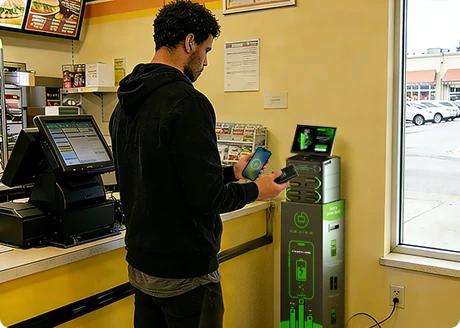 2026 new safety standards: what compliance requirements must portable charger machine brands pay attention to?
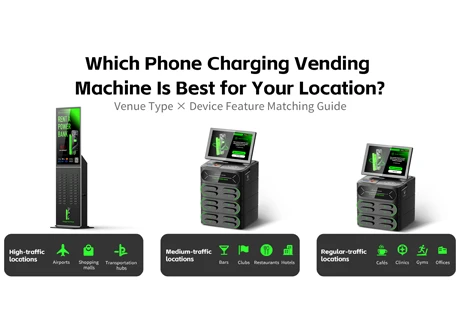 Which phone charging vending machine is best for your location?
 Which high-traffic scenarios deliver the best ROI for portable phone charging stations?
 How to seize the market opportunity of portable charger rental stations in Canada to achieve fast launch and profitability?