Why is the united states an ideal market for deploying mobile phone charging stations?
The United States has a high smartphone penetration rate and strong user dependence on mobile devices. High-traffic locations such as restaurants, shopping malls, and transportation hubs are abundant, creating dense consumption scenarios. U.S. consumers have a high acceptance of on-demand services and a strong willingness to pay. In addition, the mature social credit and payment system provides a solid foundation for the growth of the phone charging station market. Deploying mobile charging station businesses in the U.S. can generate greater commercial returns for investors.
1.What Factors Are Driving the Rapid Growth of the U.S. Phone Charging Locker Market?
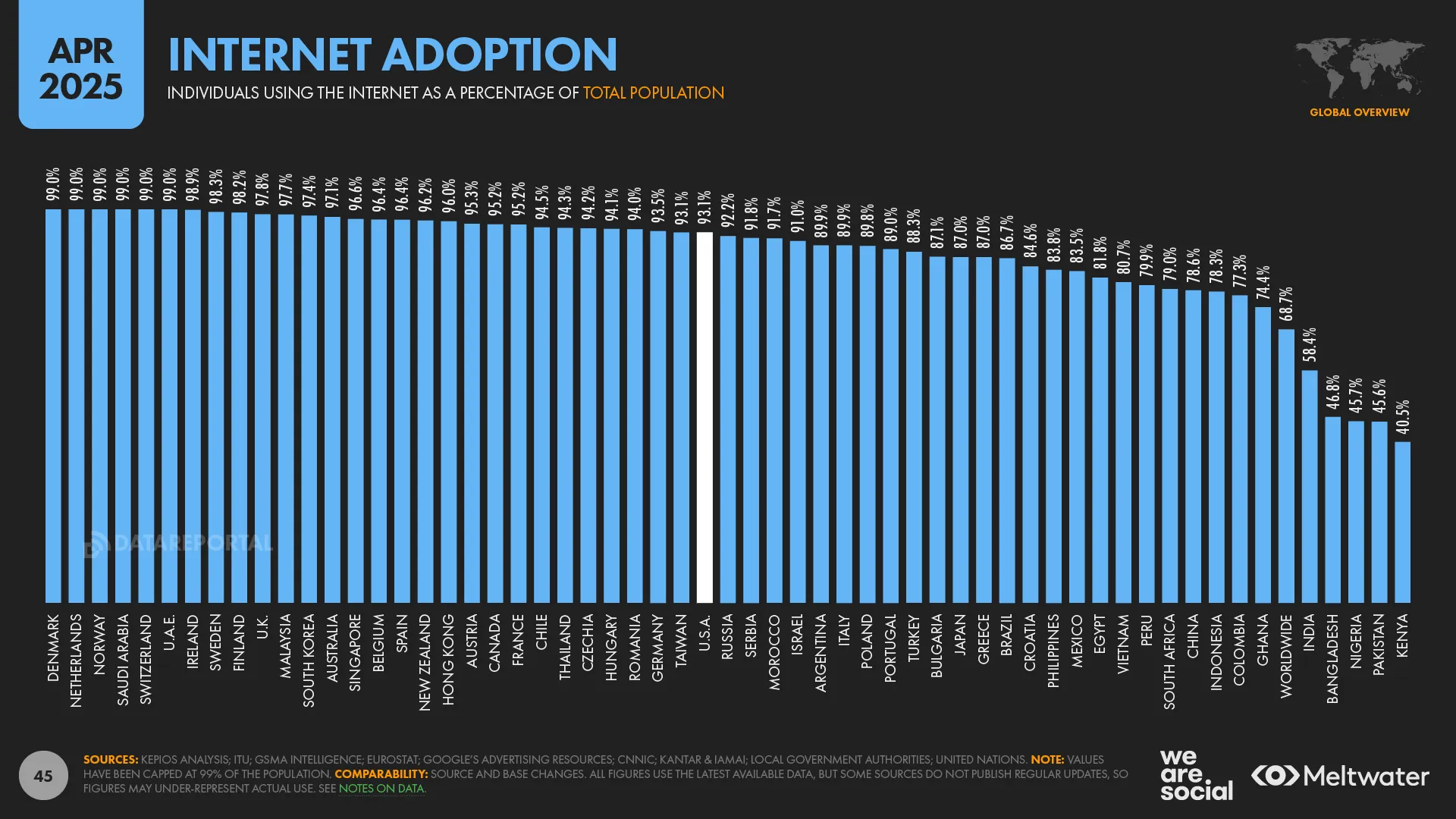
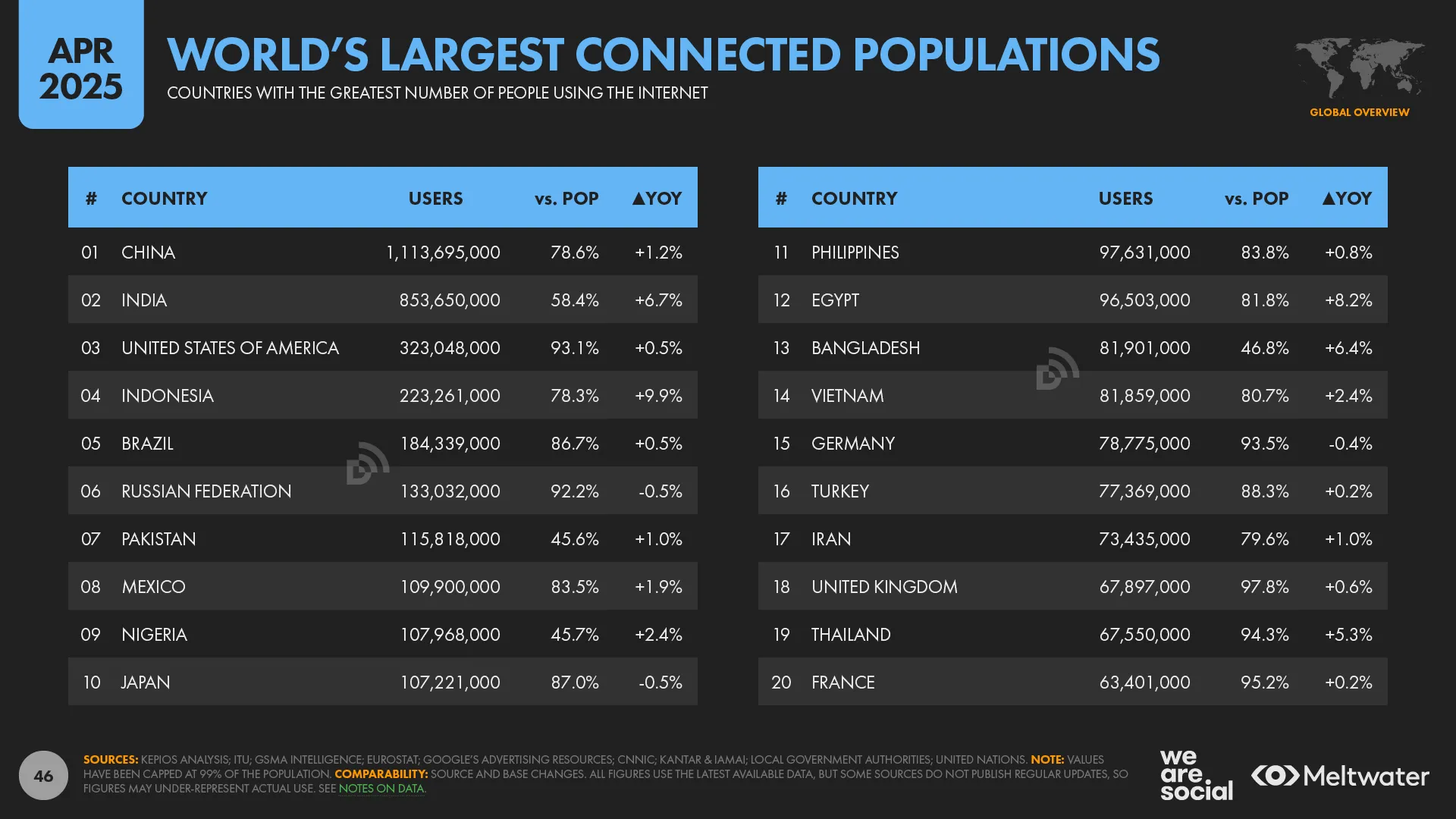
A User Base of Hundreds of Millions Creates Massive Market Opportunities:According to Kepios Analysis and GSMA data, smartphone penetration in the U.S. has reached 93.1%, with approximately 323 million smartphone users, ranking it as the world’s third-largest smartphone market. This enormous user base creates vast growth potential for the U.S. power bank station market.
 Power Anxiety as a Rigid Market Demand:In work, social, and entertainment scenarios, people rely heavily on smartphones. During outdoor activities, travel, and long-duration events, battery anxiety has become a widespread and rigid demand.
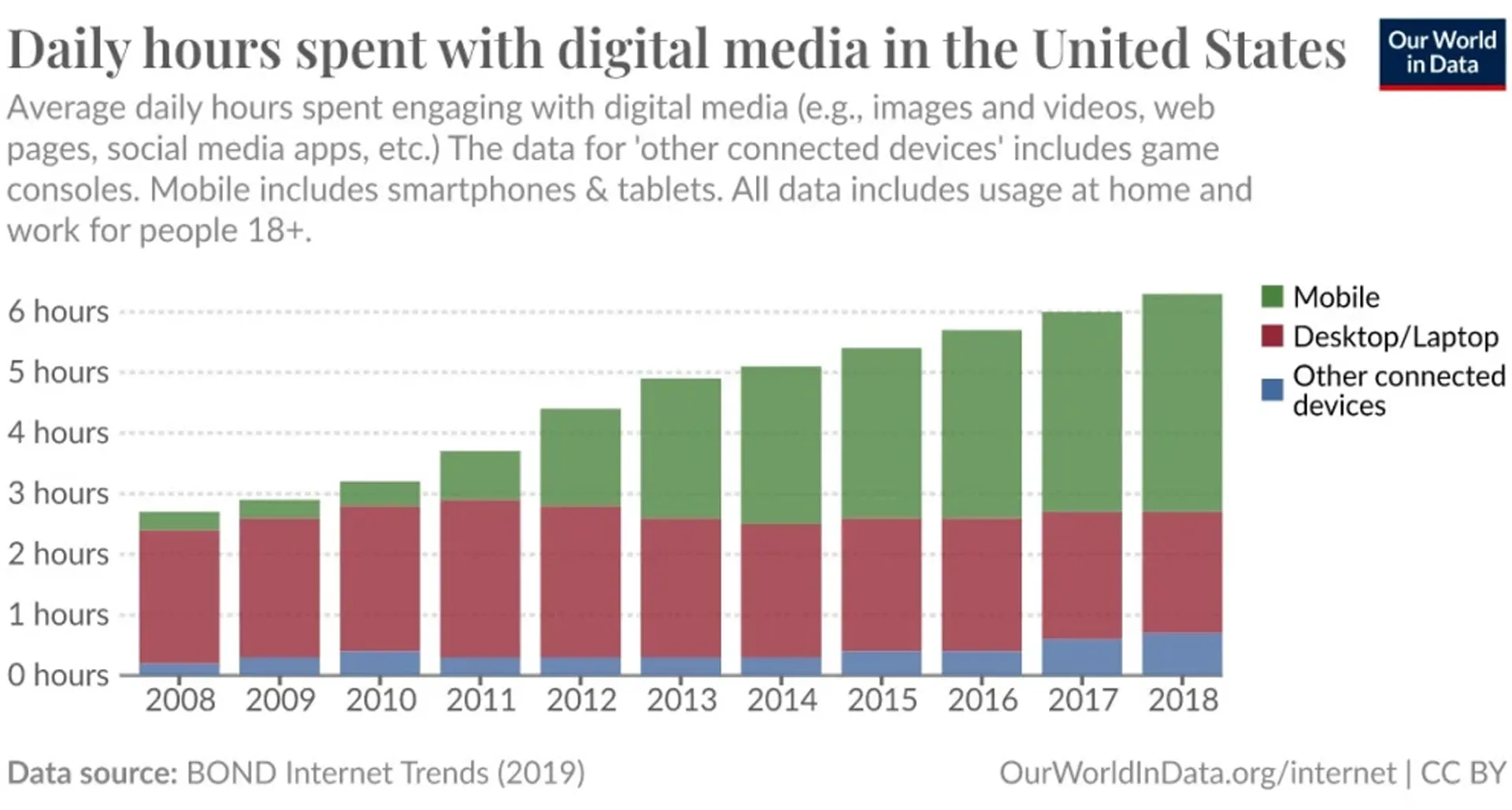
BOND data shows that U.S. users spend at least 5–6 hours per day on their smartphones. However, battery capacity remains limited, and high-intensity daily usage makes emergency charging solutions essential. Phone charging stations provide users with an efficient and convenient emergency charging option.
 Flexible Rental Model Meets User Needs:The “rent-and-return-anywhere” feature of mobile charging stations eliminates the inconvenience of forgetting or carrying bulky power banks. Phone charger rental services offer a lighter, more flexible solution, continuously meeting users’ high-frequency charging needs.
A Thriving Tourism Industry Accelerates the U.S. Power Bank Vending Machine Market:The U.S. is home to numerous iconic attractions and receives a large number of international tourists. Combined with the trend toward lightweight travel devices, tourists increasingly need flexible and convenient mobile charging solutions. Rental power banks equipped with Lightning, Type-C, and Micro-USB interfaces are compatible with various devices and can effectively meet emergency charging needs during long layovers, flight delays, and extended journeys.
In high-traffic locations such as theme parks and transportation hubs, long visitor dwell times and insufficient public charging facilities create strong opportunities for investors to expand power bank rental station businesses in the U.S.
Nightlife Economy Creates High-Value Charging Scenarios:The U.S. has a rich night-time entertainment ecosystem, and consumers show a higher willingness to pay for convenient services. In bars, nightclubs, and similar venues, customers stay for long periods and use their phones frequently, leading to rapid battery drain and urgent charging needs. Deploying portable charger kiosks in these venues can effectively satisfy users’ immediate charging demands.
2.How Can Investors Quickly Launch a Shared Power Bank Business in the U.S.?
Easy to Use, No Learning Curve:With a mature credit and payment system, U.S. users are accustomed to card-based payments. Traditional power bank sharing models often require scanning a QR code, downloading an app, and registering an account, which can be cumbersome and reduce user adoption.
An integrated solution that combines software, hardware, and payment gateways allows mobile phone charging stations to better align with U.S. user habits. Users can rent via credit cards, debit cards, and NFC payments (Apple Pay / Google Pay / Samsung Pay). With a “tap-to-rent, swipe-and-go” experience, users can complete rentals instantly, increasing acceptance, expanding the user base, and accelerating the adoption of power bank rental services.
Continuous Iteration to Build Competitive Advantage:Ongoing product iteration and service optimization continuously enhance user experience. In high-traffic, long-dwell locations such as international airports and large music festivals, deploying fast-charging phone stations significantly reduces charging time. Users can achieve up to 60% battery in 30 minutes, improving charging efficiency by around 30% compared to standard charging, increasing device turnover, and generating higher returns for investors.
Scenario-Optimized Products:Touchscreen, card-swipe charging stations simplify the rental process further. Users can rent directly via the screen without relying on phone scanning or apps. By deploying scenario-specific products, investors can streamline user operations and make phone charging vending station services more efficient and convenient.
Mobile charging station technology platforms possess strong R&D capabilities for continuous innovation and agile iterations, enabling them to rapidly develop localized product solutions tailored to the core needs of target markets. A diversified product matrix has already been formed to cover different regions, scenarios, and user demands: POS-integrated charging stations for Europe and the United States (multiple POS configurations / embedded POS / external POS / touchscreen), QR-code charging stations for Southeast Asia (tourist rental mode), uninterrupted power charging stations for outdoor events and stadiums, and membership-based charging stations that support payment-free rental.
The technology platform also provides deeply customized phone charging vending machine solutions, helping investors build differentiated competitiveness in local markets. From market entry and brand development to long-term operations, customized services enable investors to quickly launch their business locally and establish early leadership in the sharing power bank rental station sector.
3. Where are the “golden locations” for power bank sharing, and how to deploy efficiently?
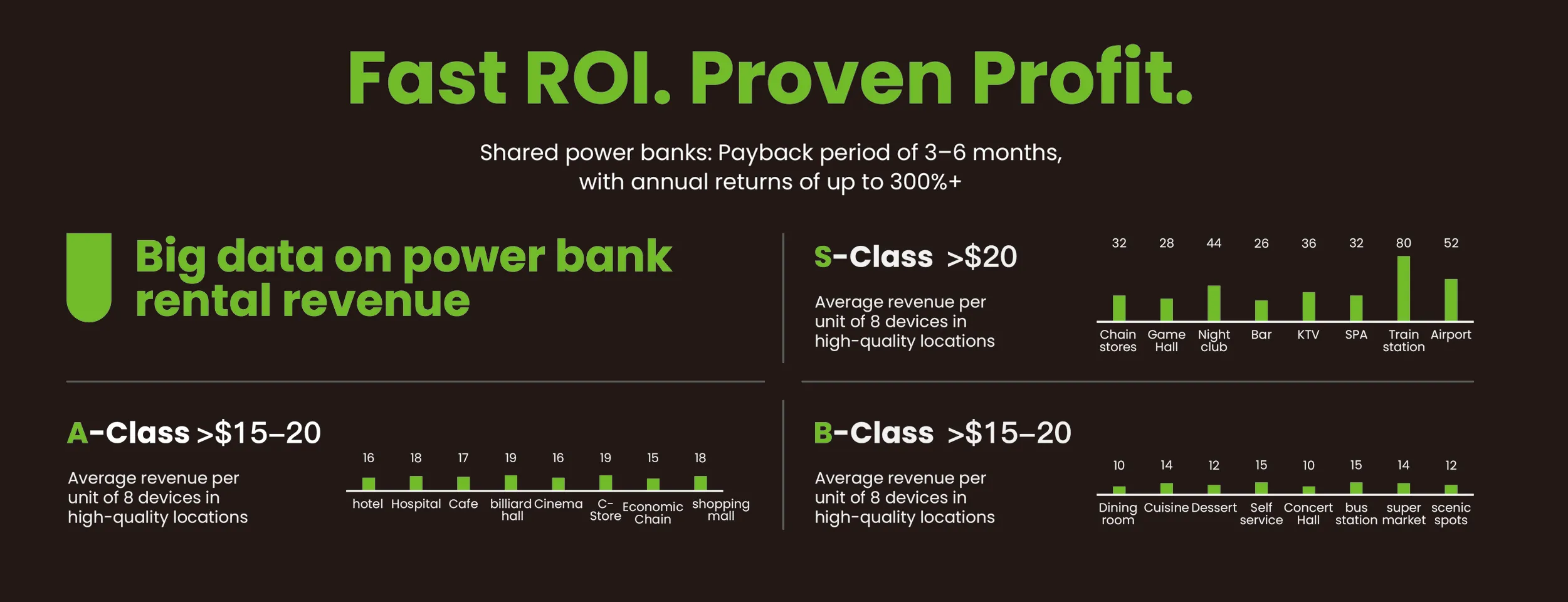
Transportation hubs and entertainment venues have the strongest revenue performance:Based on actual operational data, power bank rental locations can be classified into S, A, and B tiers. For S-tier locations, a single eight-slot charging station can generate more than USD 20 in revenue, with train stations creating up to USD 80 and airports generating around USD 52. A-tier and B-tier scenes include cinemas, shopping malls, restaurants, and tourist attractions, with an average revenue range of USD 10–19 per device.
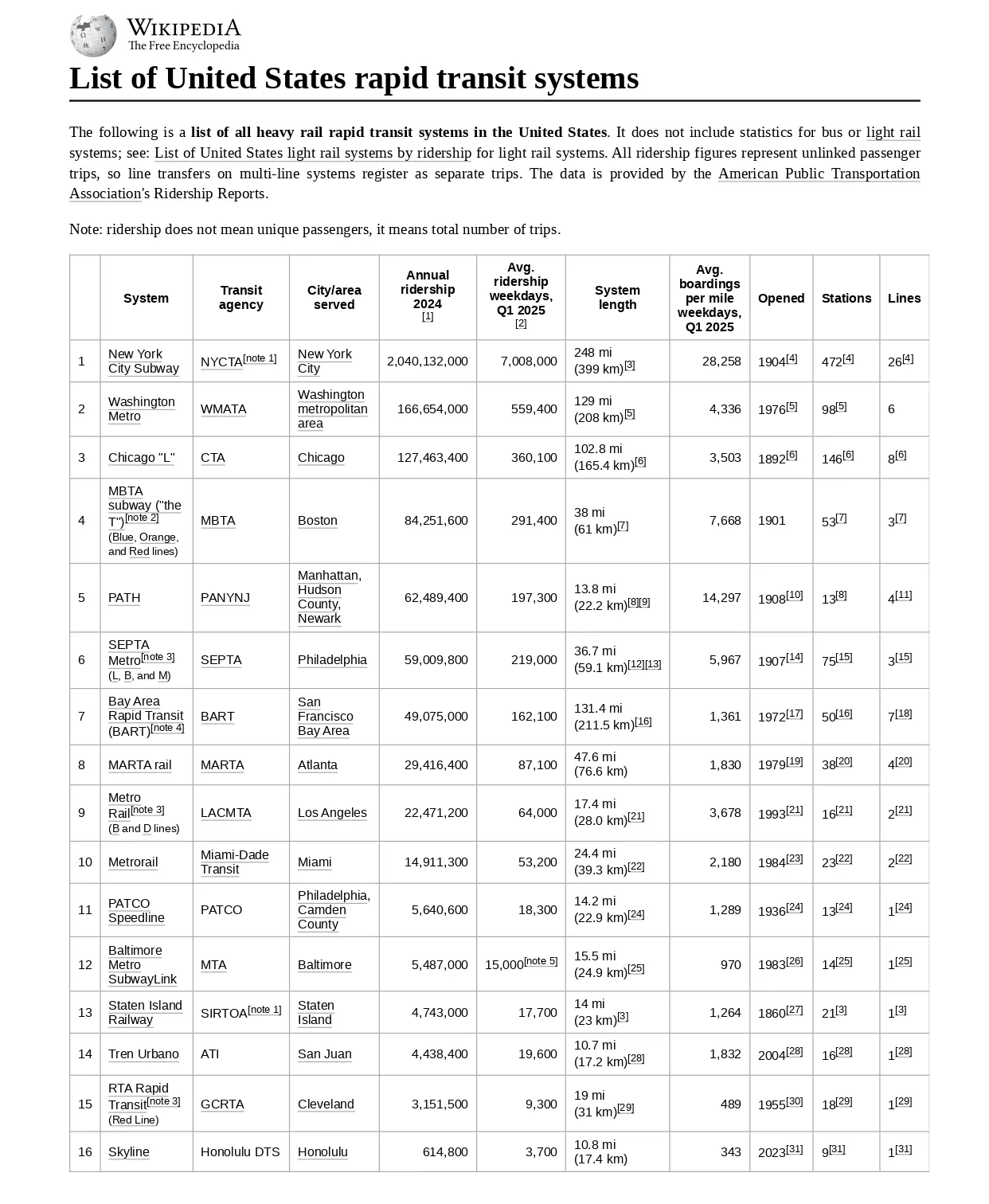
Airports, subway stations, train stations, high-speed railway stations, and bus terminals all feature heavy passenger traffic and long dwell times, making them ideal locations for power bank rental station deployment. U.S. subway systems offer massive traffic volumes. For example, New York City’s subway system reached 2.04 billion passenger trips in 2024, covering 472 stations. Similar high-traffic transit systems exist in Chicago, Washington D.C. and other major cities, where commuters frequently use smartphones and easily experience battery anxiety.
Power bank rental machines support instant borrow-and-return across different outlets and even across different cities, enabling users to return the device freely and enhancing convenience. Cross-network return capabilities create a flexible phone charger rental network that responds to real-time charging needs generated in mobile scenarios.
Faster return on investment — restaurants lead in payback cycles:Assuming an eight-slot charging station with an initial cost of USD 300, restaurants—due to dense foot traffic and high rental frequency—generate an average weekly revenue of USD 29.1, enabling a payback period of only 10.3 weeks (2.4 months) and strong capital turnover efficiency.
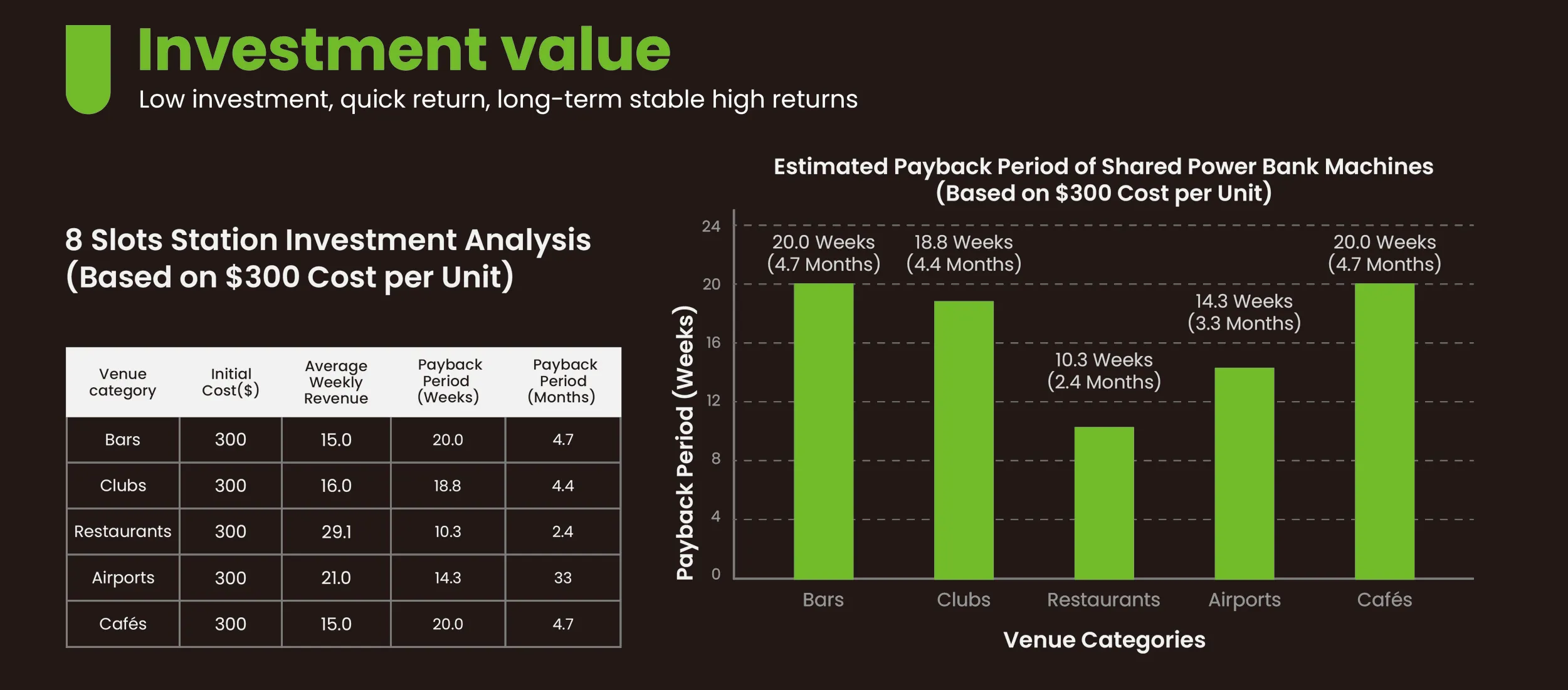
Airports generate higher ticket sizes and massive passenger flows, resulting in a 3.3-month payback period, making them highly attractive for long-term operational value. Bars, nightclubs, and cafés fall within 4.4–4.7 months, representing standard payback cycles for shared charging investments. The attributes of each cell phone charging station location ultimately determine efficiency and returns, requiring investors to optimize their deployment strategy.
According to Georgia Tech, the U.S. restaurant industry is huge, with approximately 705,000 establishments including fast-food chains, bakeries, dessert shops, and fine dining restaurants. Customers tend to spend longer dwelling times in restaurants, leading to high charging demand and rental frequency, and helping investors capture more revenue.
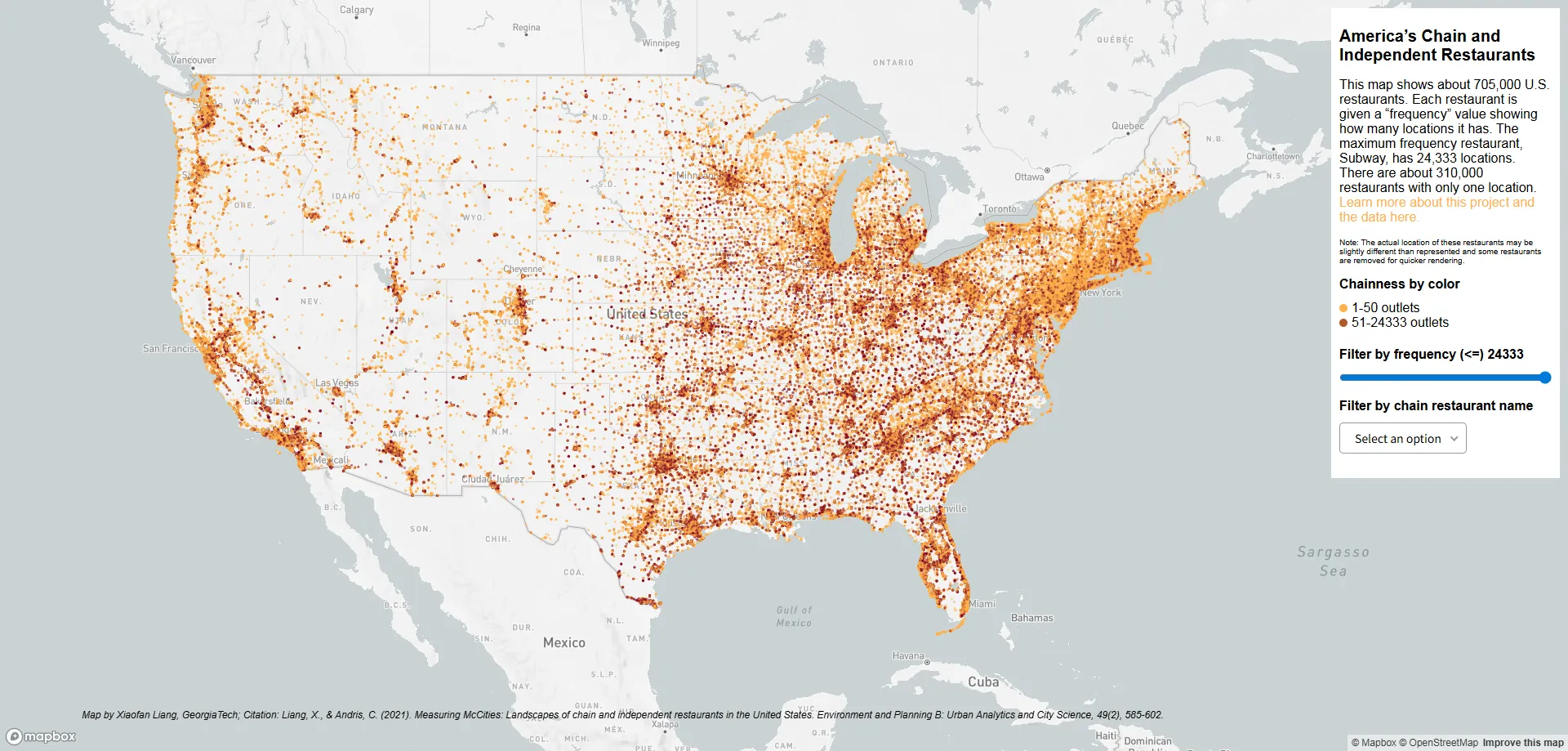
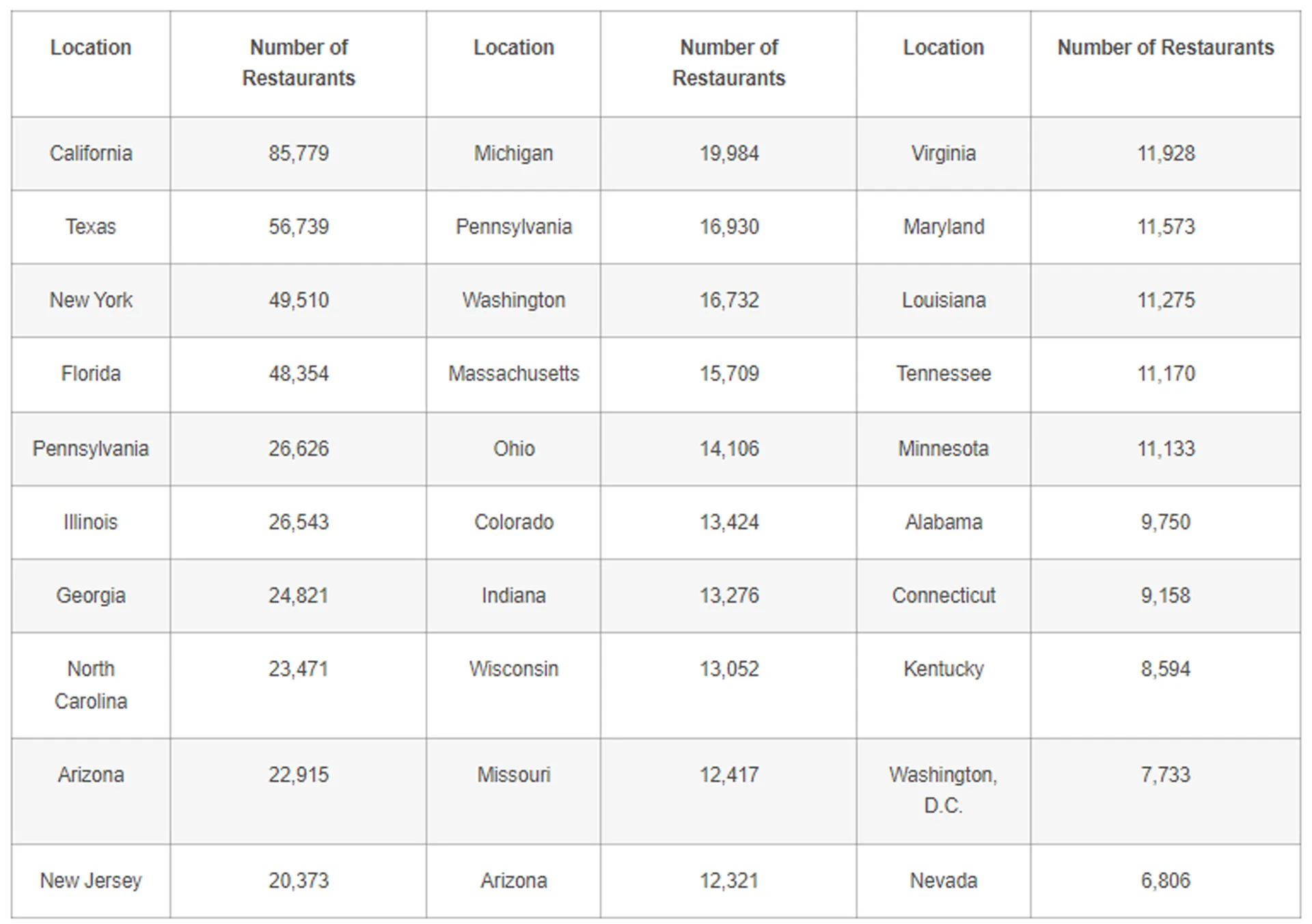
National Restaurant Association data shows that California has the largest number of restaurants, with 85,779 establishments. Considering population density and consumer behavior patterns, investors are encouraged to prioritize shared power bank rental deployment in restaurants within California, Texas, New York, and Florida, where consumer traffic is highly active and restaurant clusters are dense, enabling rapid network coverage and faster market capture.
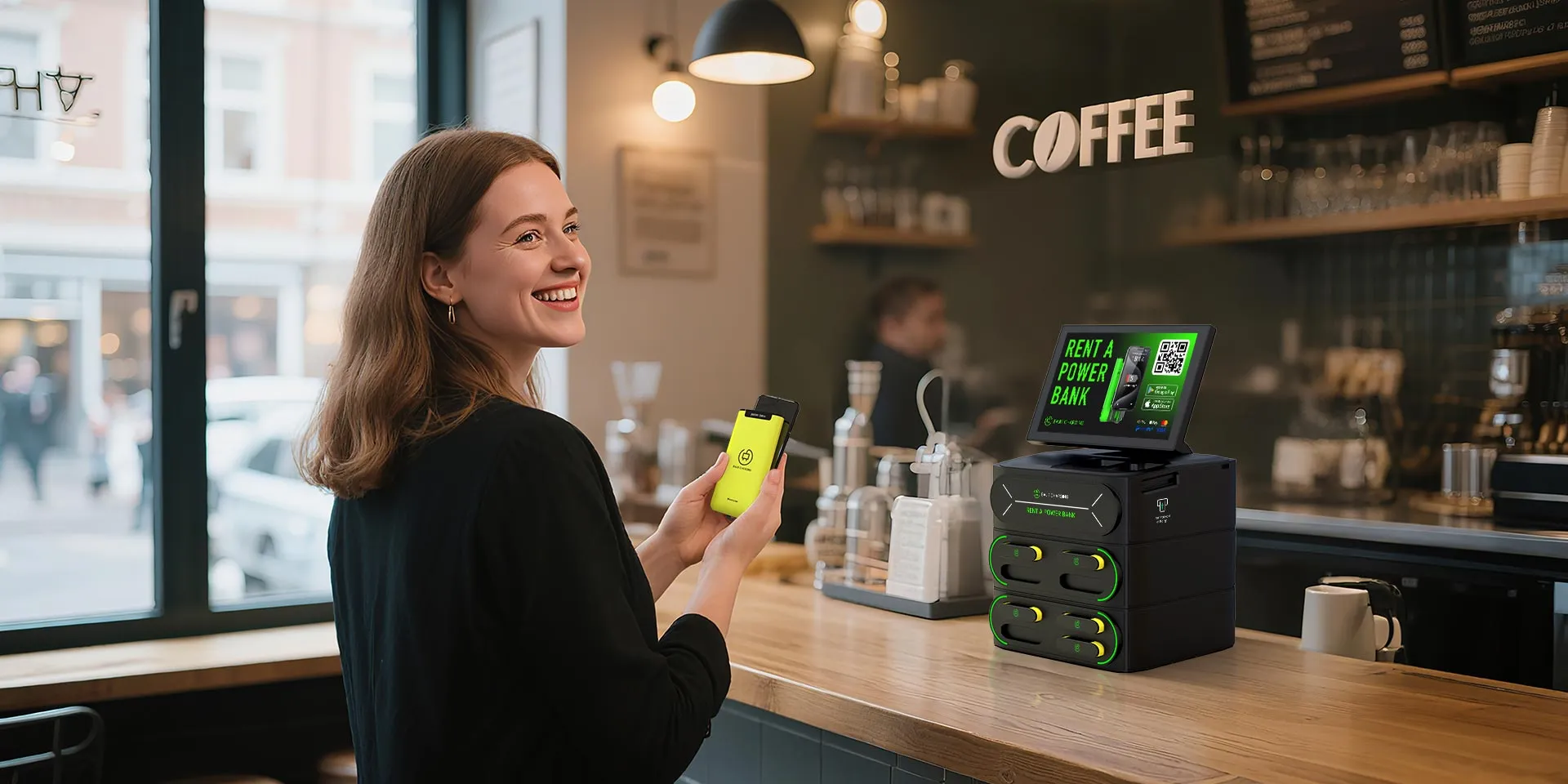
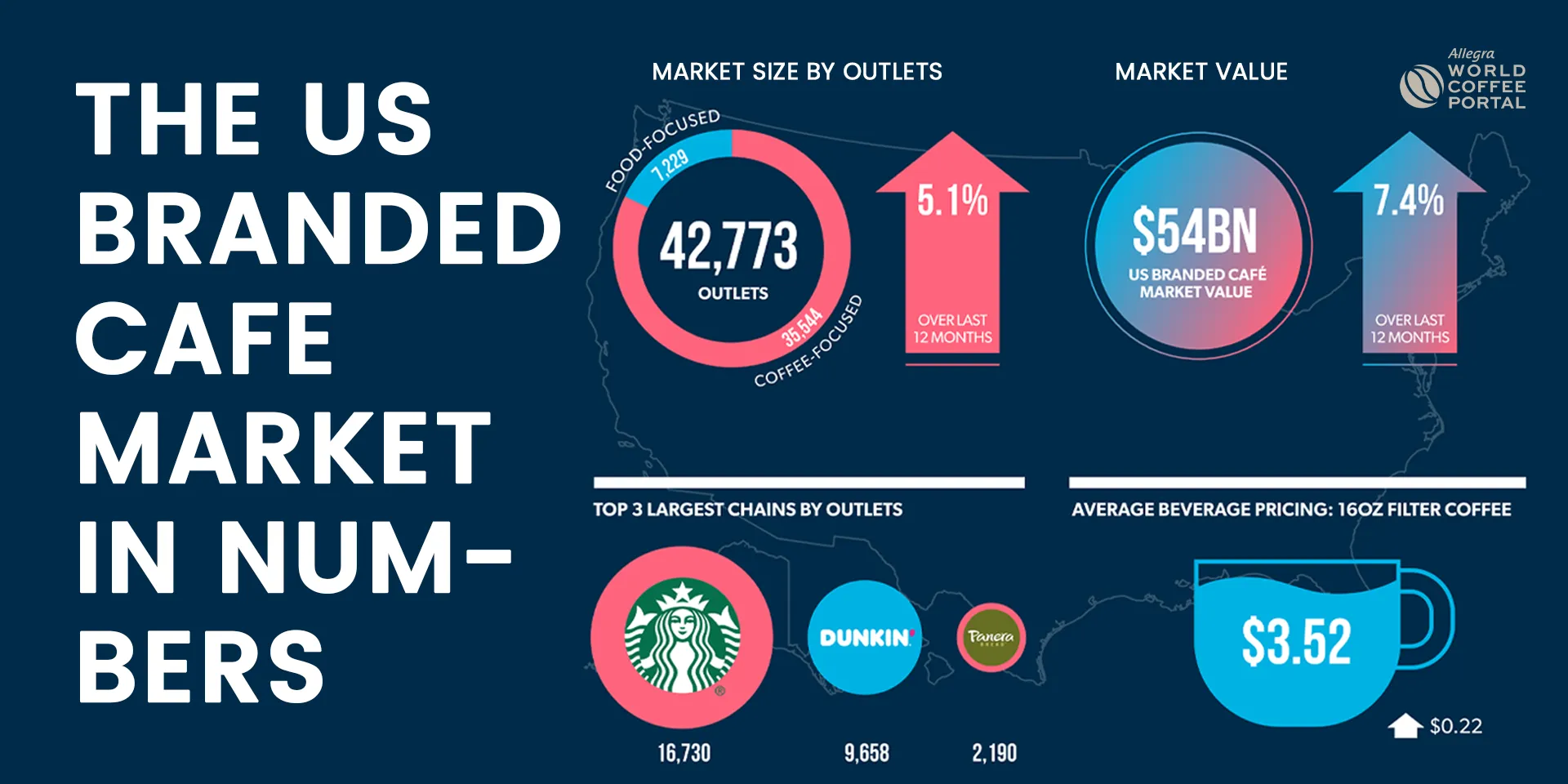
World Coffee Portal data shows that the total number of cafés in the United States has reached 42,712 and continues to grow. Cafés are typically distributed across communities, commercial districts, and office areas—high-value locations for power bank rental deployment. Installing phone charger kiosks in cafés not only boosts rental revenue but also increases brand exposure and accelerates penetration into surrounding scenes.
Summary
The United States has one of the world’s highest smartphone penetration rates. With intensive daily usage of 5–6 hours per capita, battery anxiety has become a universal pain point. Its mature and large-scale mobile internet foundation provides favorable conditions for the mobile charging station market to scale.
The U.S. credit environment is highly developed, and consumers exhibit strong willingness to pay for convenient on-demand services. Tourism, entertainment, and transportation hubs feature high traffic density, long dwell times, and urgent charging demand, creating abundant high-value locations for power phone charger locker deployment, supporting fast capital turnover and healthy profitability.
A single eight-slot charging station placed in restaurants, airports, and similar venues can achieve payback within 2.4–4.7 months under proper operation. Flexible borrow-and-return across networks enables rapid coverage and network effects. Technology platforms offering localized solutions and continuous iterative support empower investors to systematically build long-term competitiveness in the power rental station business.
December 31, 2025
 Which User Groups Are More Likely to Use Phone Charging Stations?
 How to Succeed in the Netherlands Phone Charging Station Market?
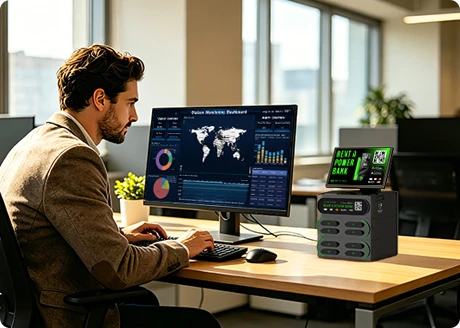 How can a power bank portable charger SaaS cloud platform achieve intelligent management for millions of devices?
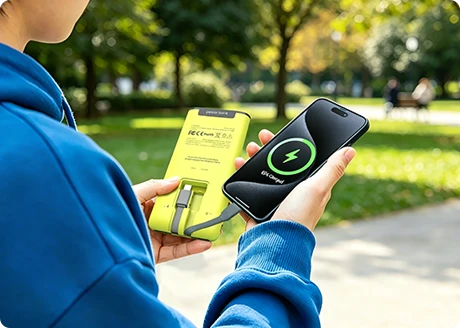 How can fast-charging commercial power bank stations help operators attract more users?
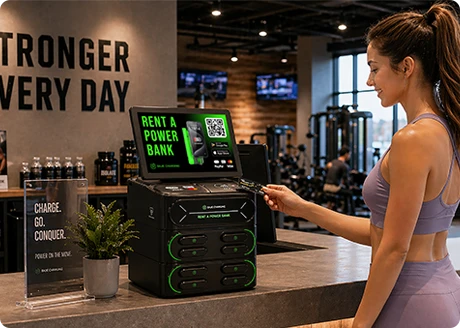 Why Are European and American Markets Accelerating the Deployment of Mobile Phone Charging Stations?
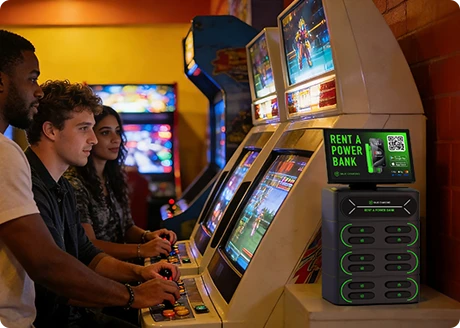 What key indicators should you focus on when testing fast-charging power bank samples?